

At The National Museum of Korea
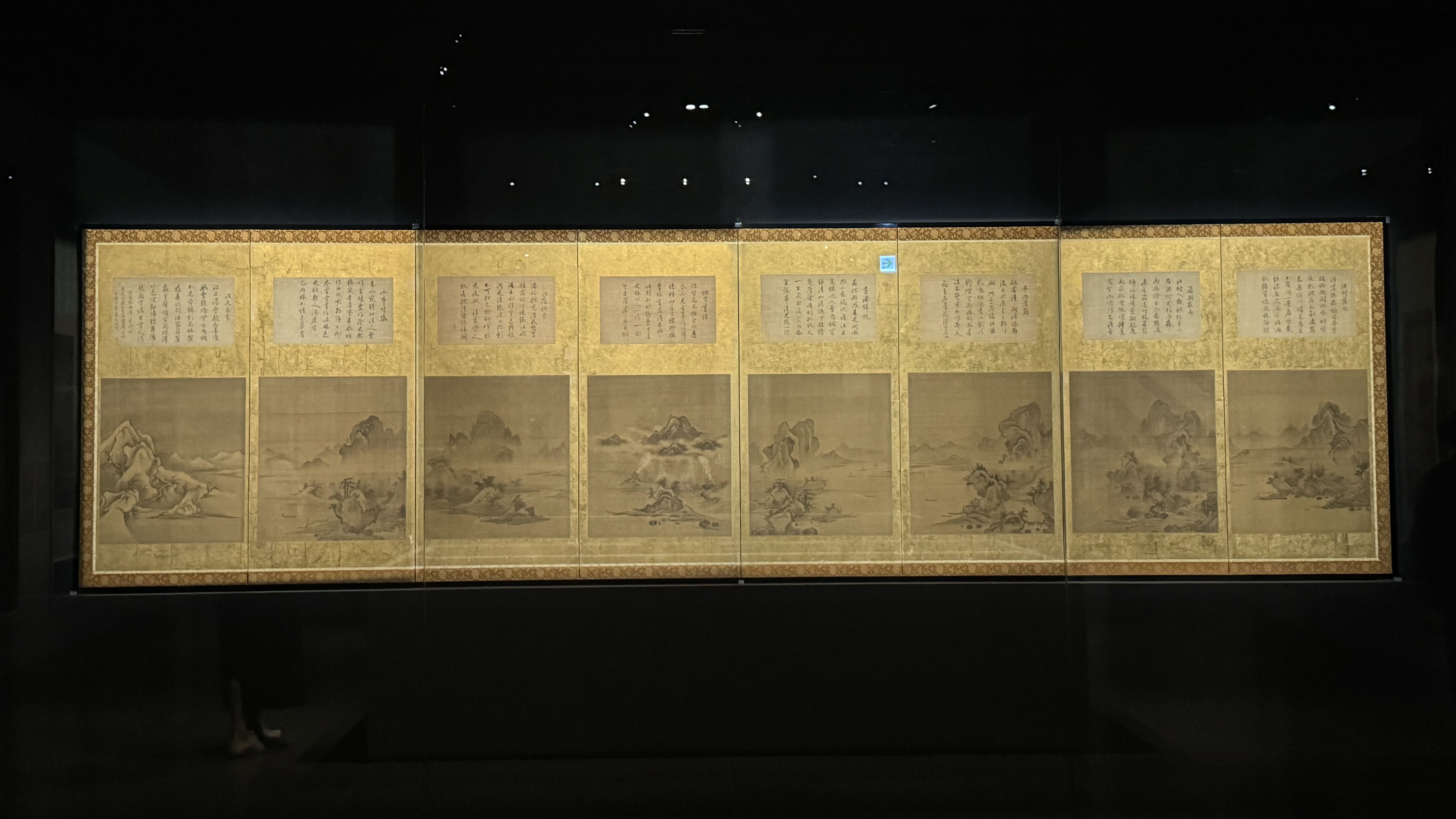
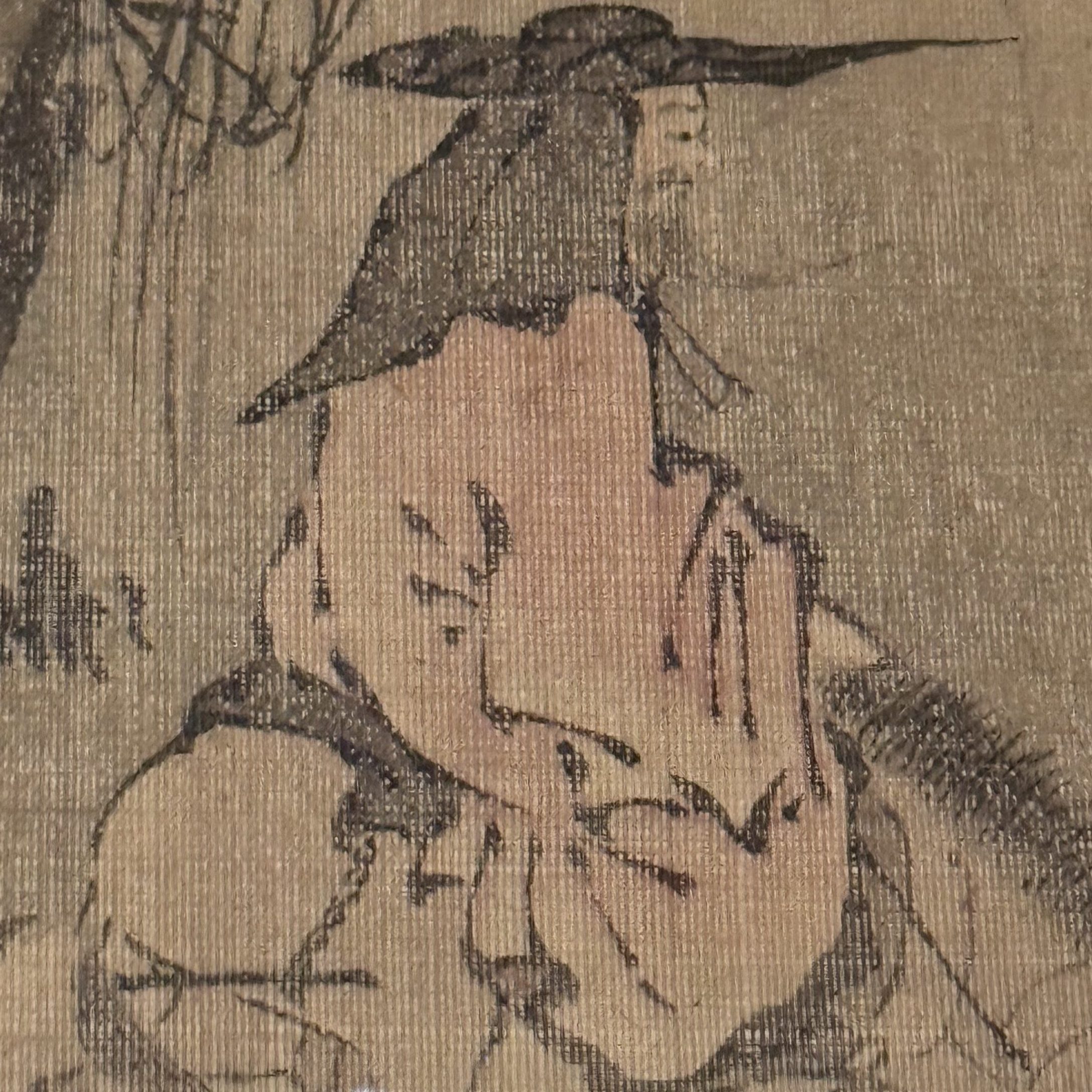
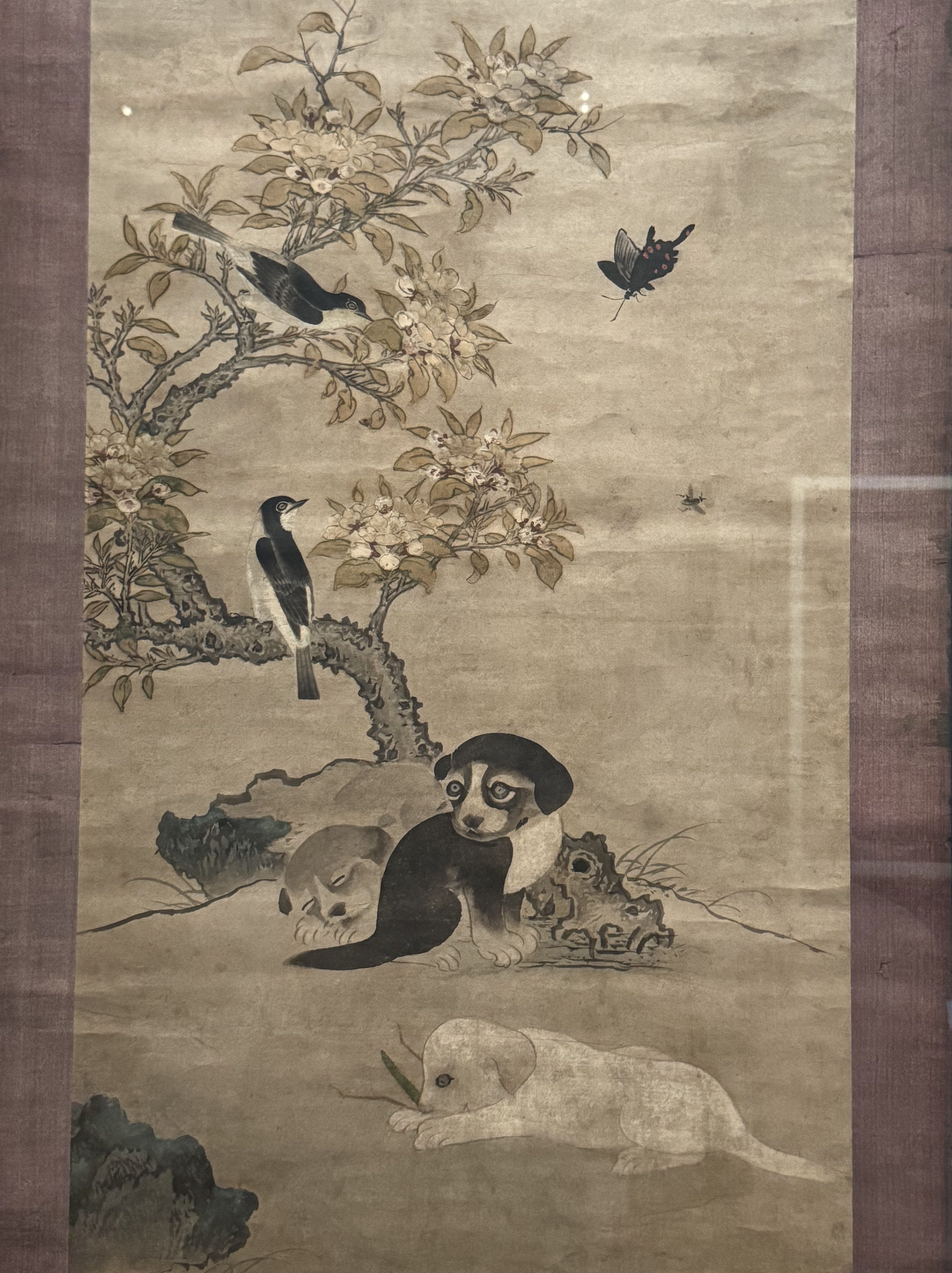
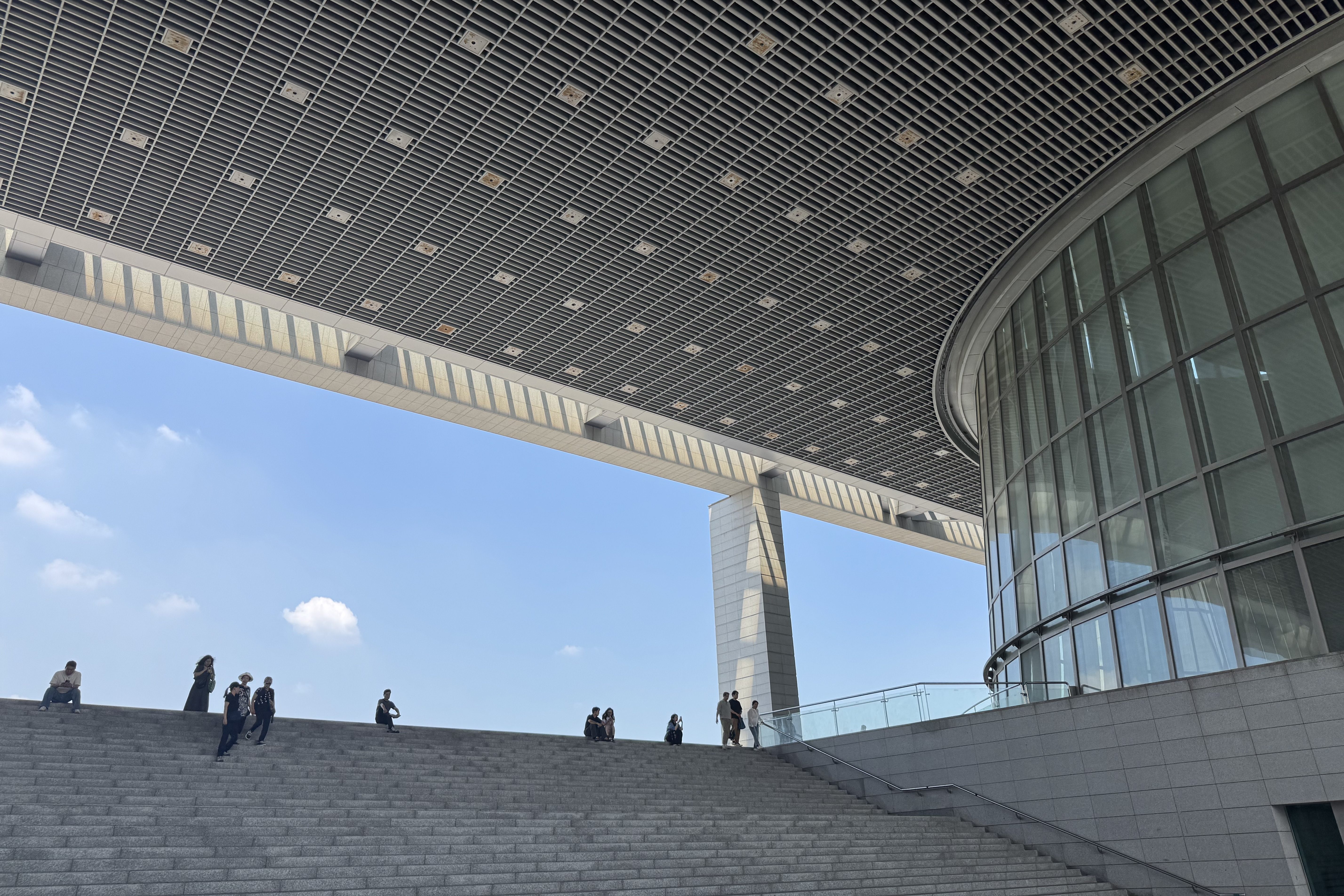
The National Museum of Korea, a place cherished by countless visitors 365 days a year, offers a serene glimpse into the early Joseon dynasty. As I wandered through its galleries, I found myself once again in quiet awe of the refined culture of that time — a culture expressed through ceramics, paintings, Buddhist sculptures, and many other works that bear the spirit of a new nation finding its artistic voice.
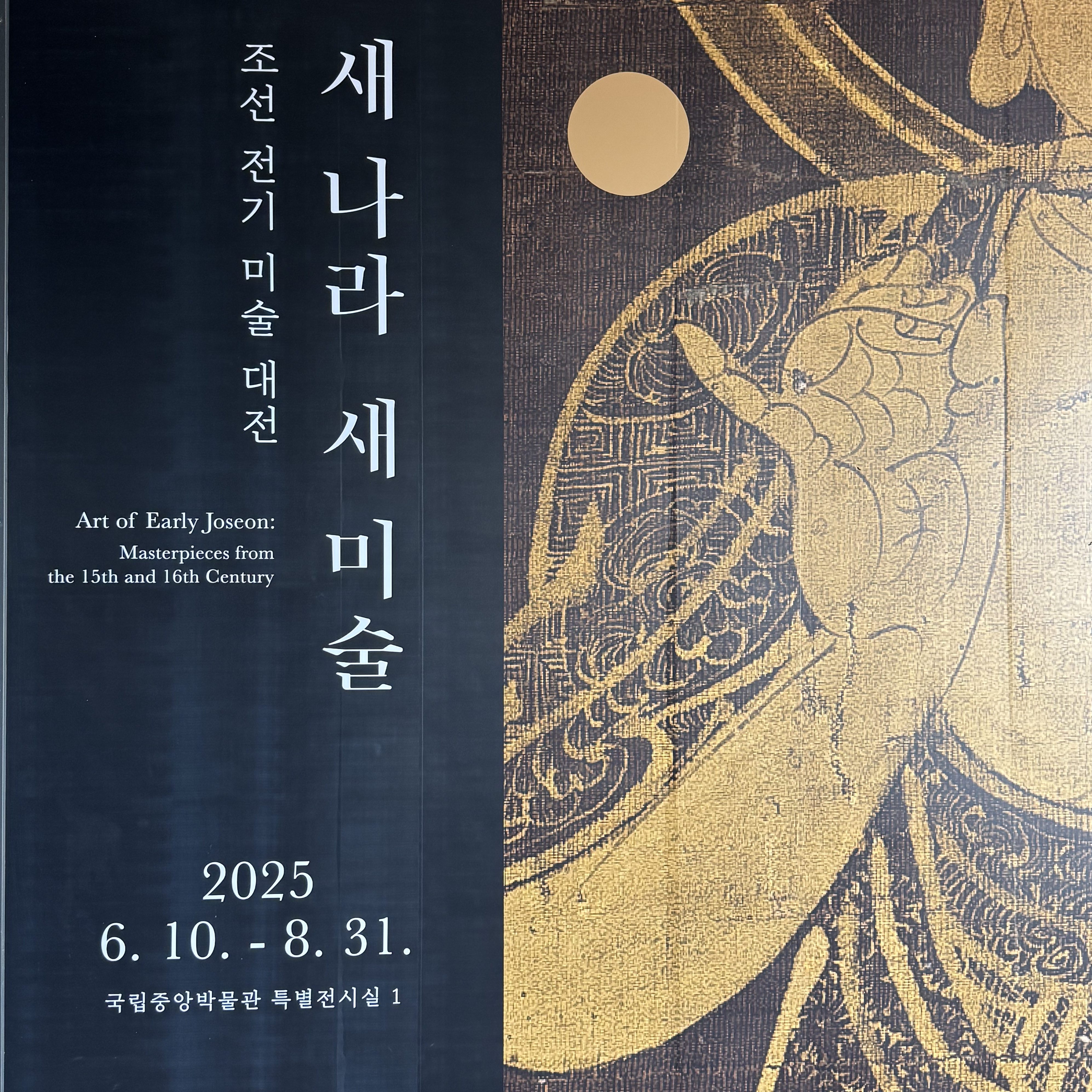
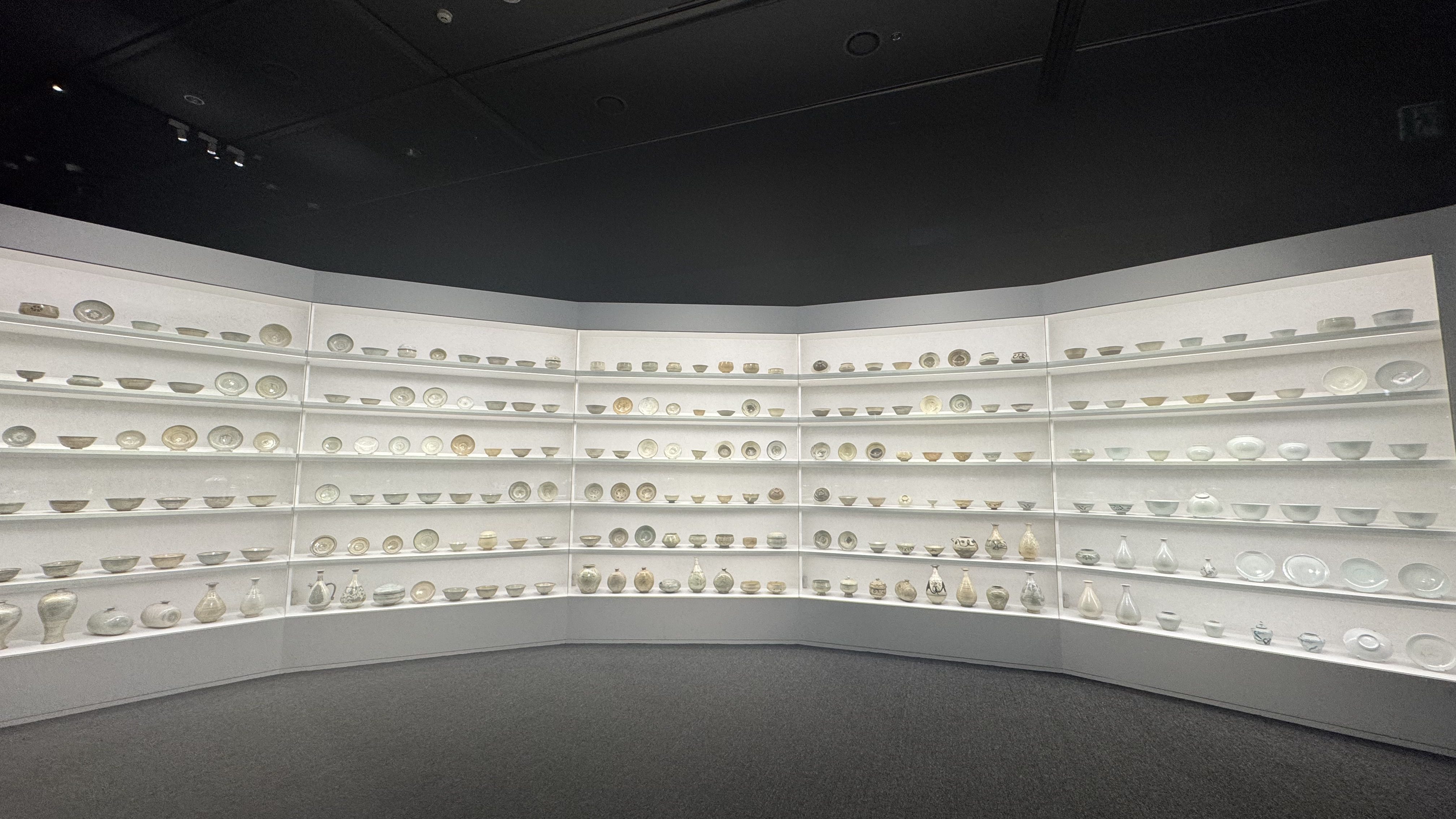
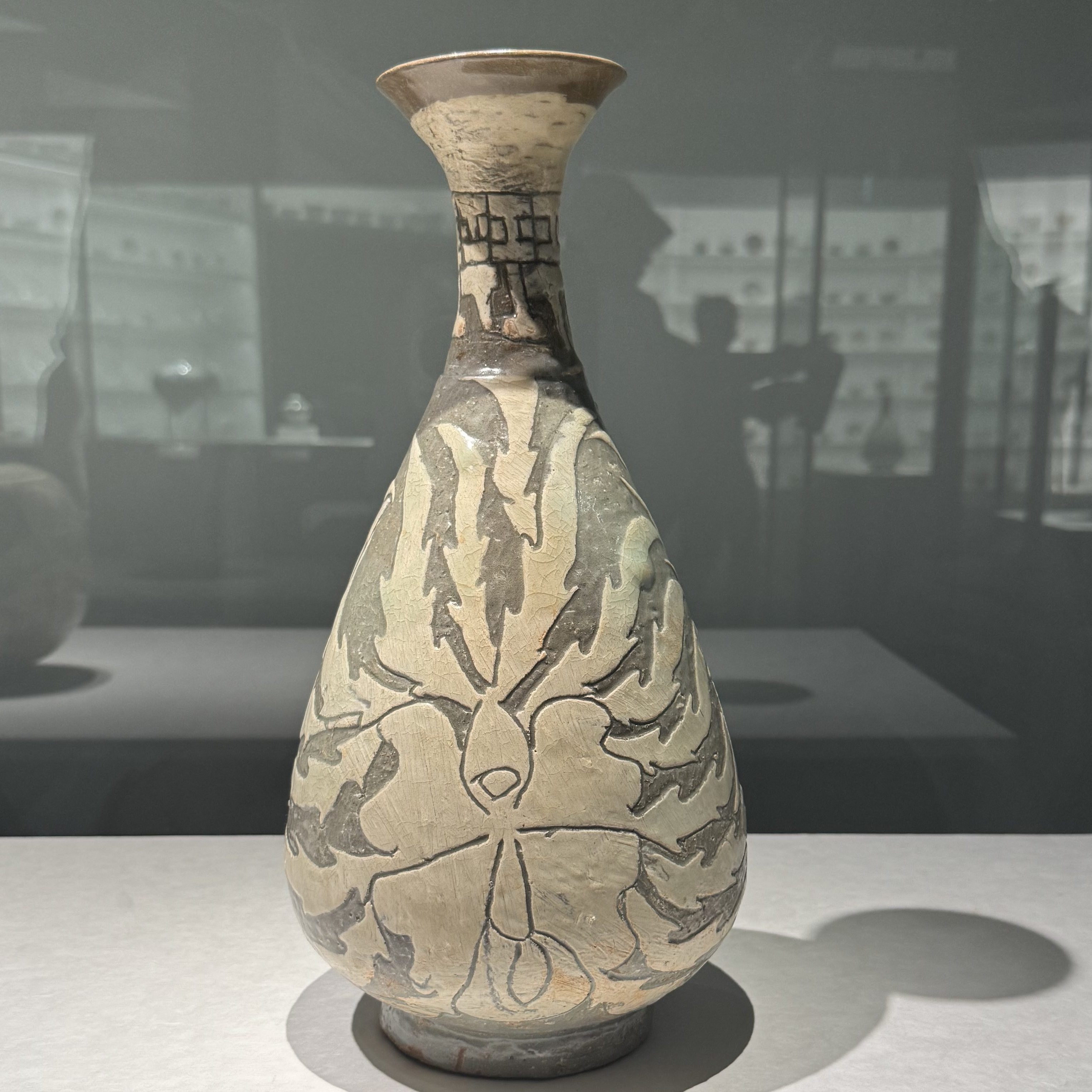
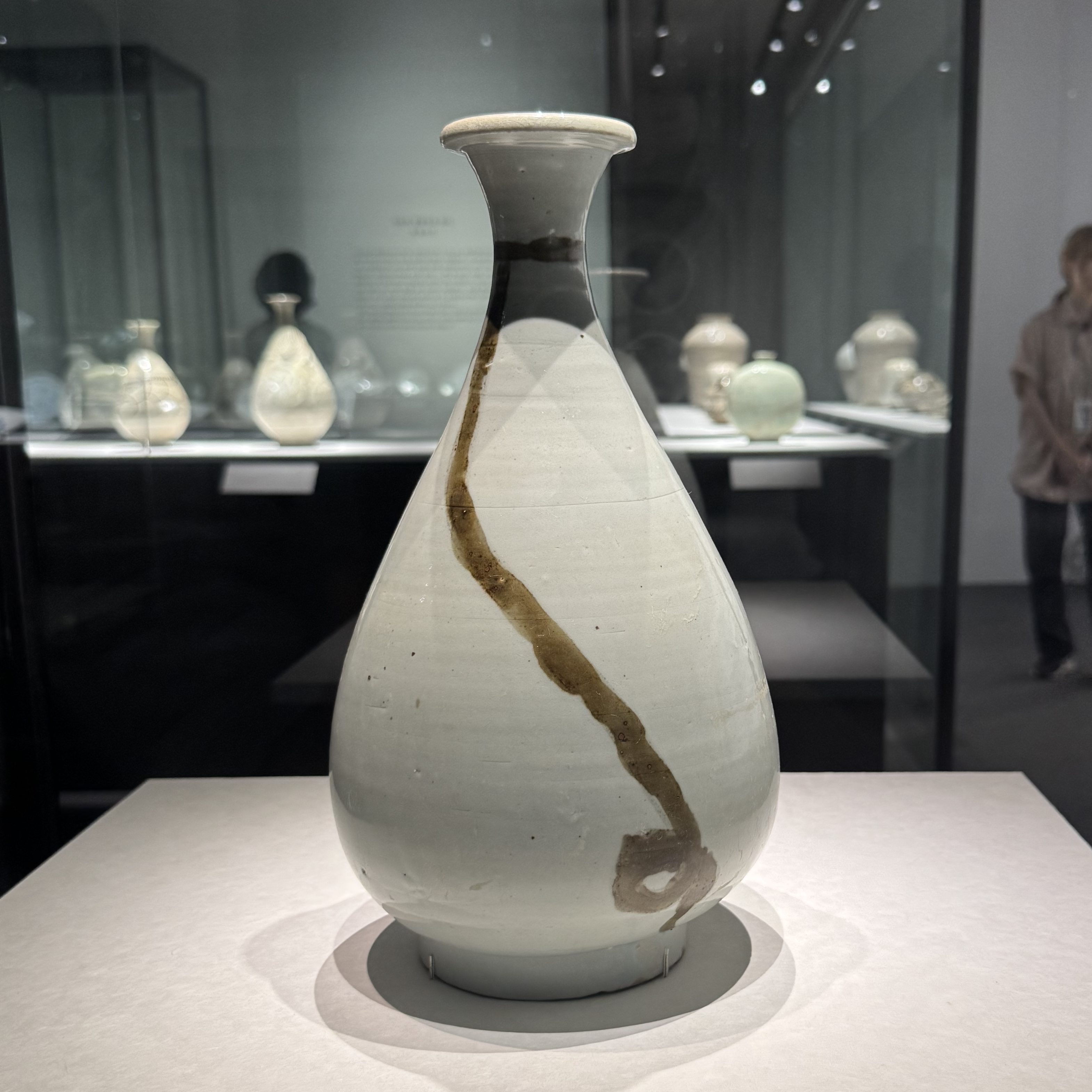
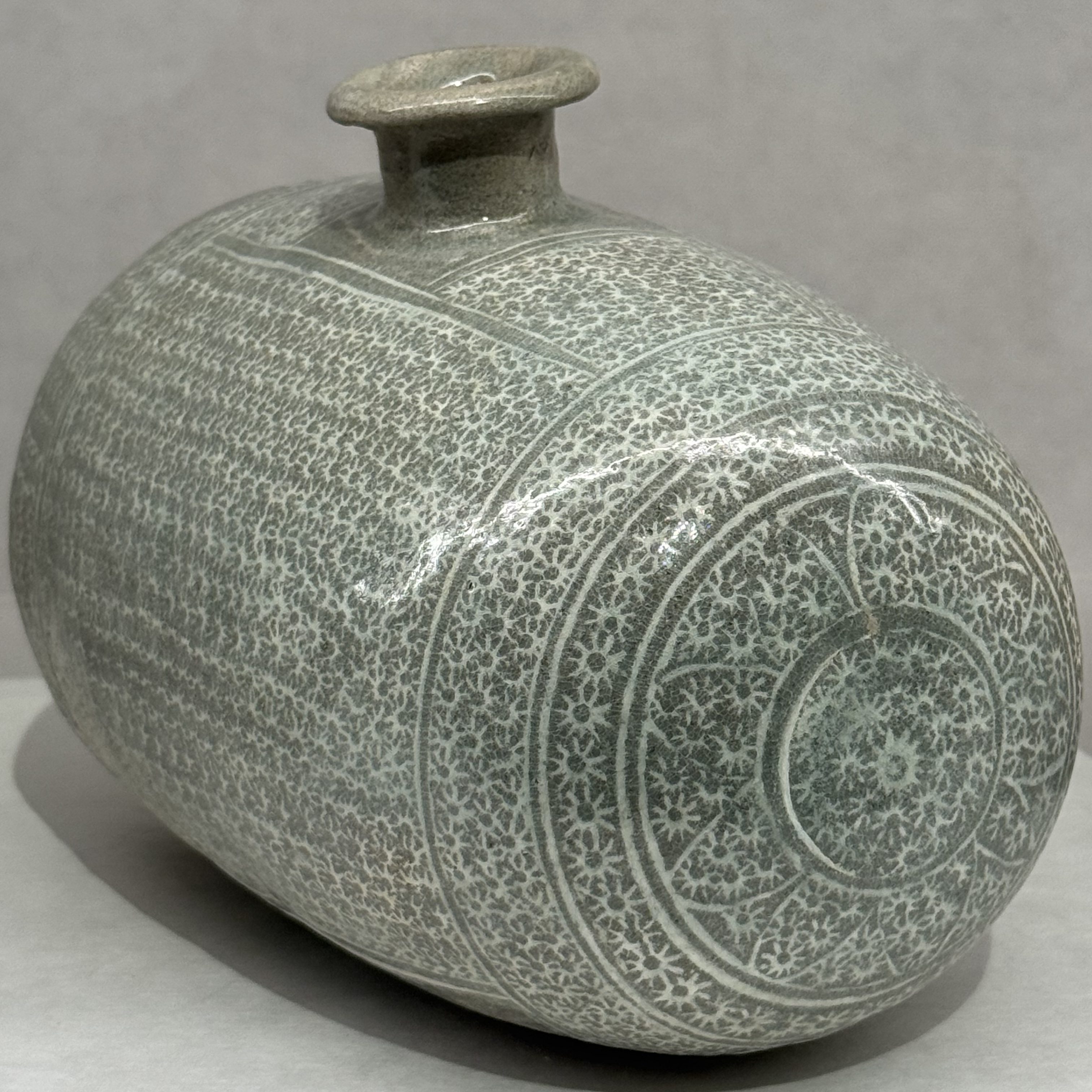
The early Joseon period marked the dawn of a new artistic era. The sophistication of Joseon ceramics, for example, was so renowned that foreign invasions were often driven by a desire to seize these treasures. What stood out in this exhibition was the evidence of a highly organized system: ceramics produced in designated regions and by appointed potters, their origins marked on the base, to ensure quality and uniformity. Yet, as government-run kilns (gwan-yo) became established, potters across the land began to express their individuality more freely — resulting in richly unique works.
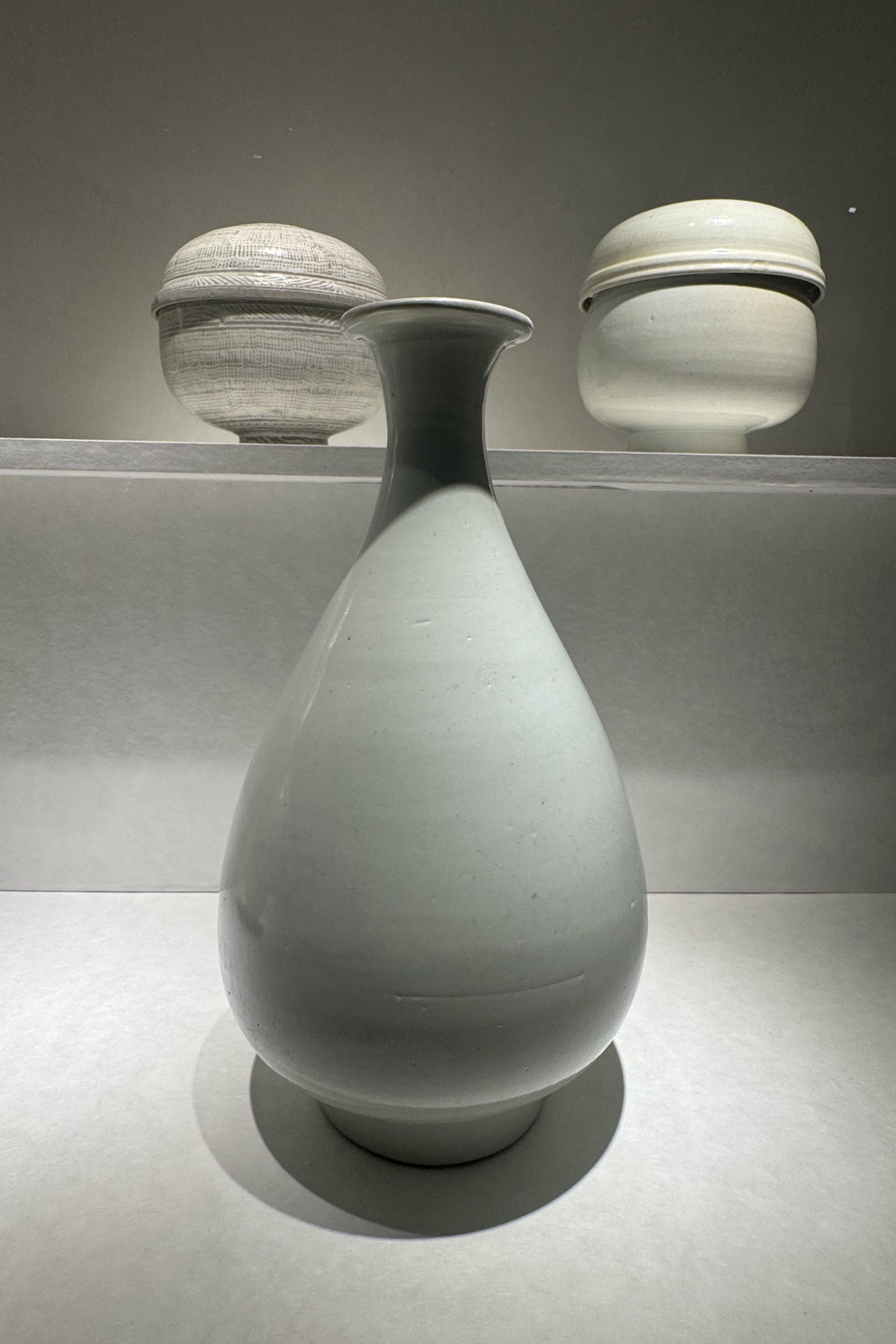
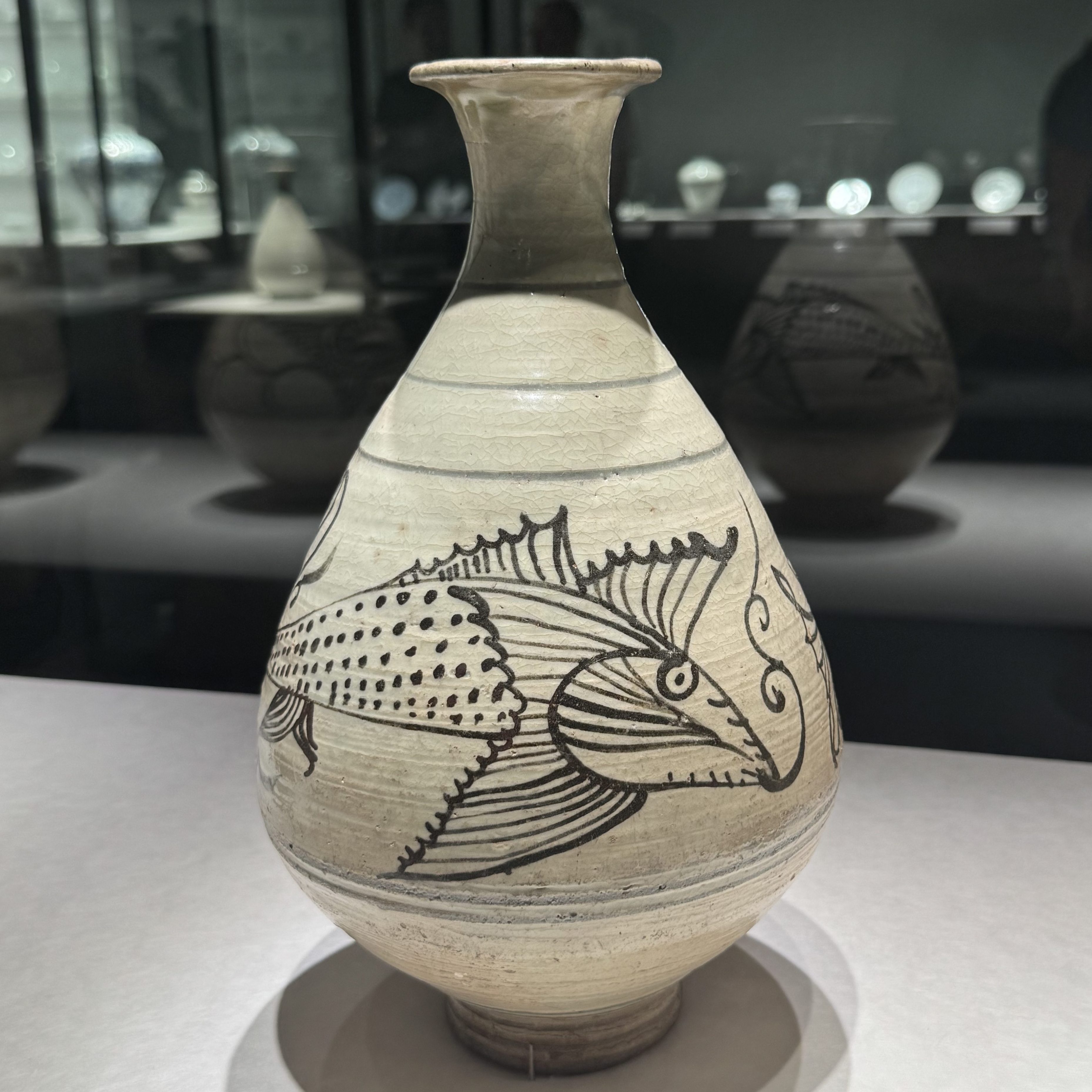
The Buncheong ceramics by artist Jungwoo Kim, featured at ArtlierJib, reflect this spirit of freedom — echoing the creative energy of that era. Some of the museum’s national treasures even felt like early expressions of modern abstract art, their bold patterns deeply moving.


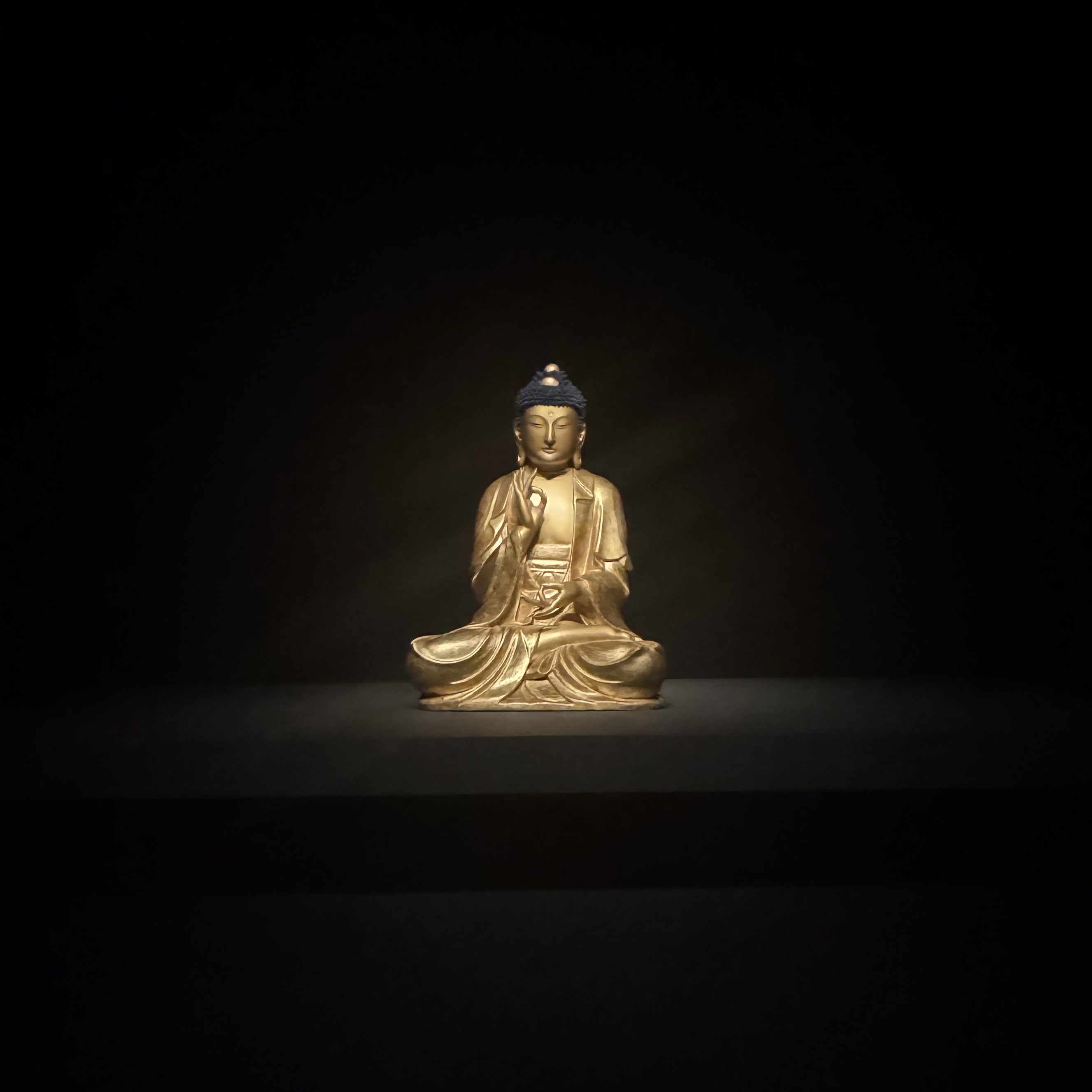
As the state ideology shifted from Buddhism to Confucianism, Confucian values began to permeate the arts. Yet Joseon did not wholly reject Buddhism; rather, it allowed the faith to continue as a pure form of prayer for the people. As a result, Buddhist sculptures of the period retained a strikingly free and ornate character, attesting to the deep roots of Buddhism among the populace.

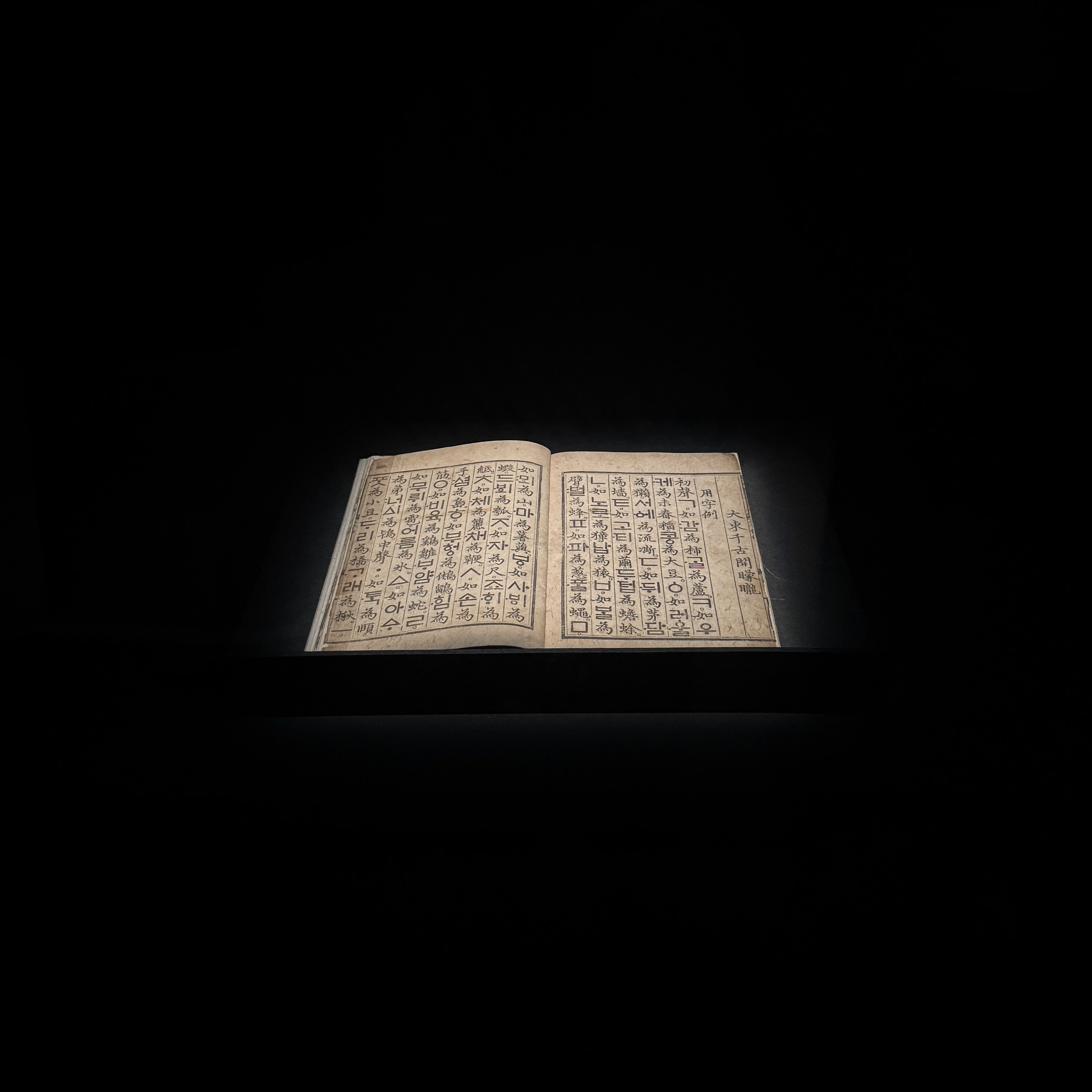
Among all these treasures, perhaps the most profound was Hunminjeongeum — the script that gave voice to the Korean language. This was far more than a book; it was a deep, resonant symbol of cultural identity.

Among all these treasures, perhaps the most profound was Hunminjeongeum — the script that gave voice to the Korean language. This was far more than a book; it was a deep, resonant symbol of cultural identity.
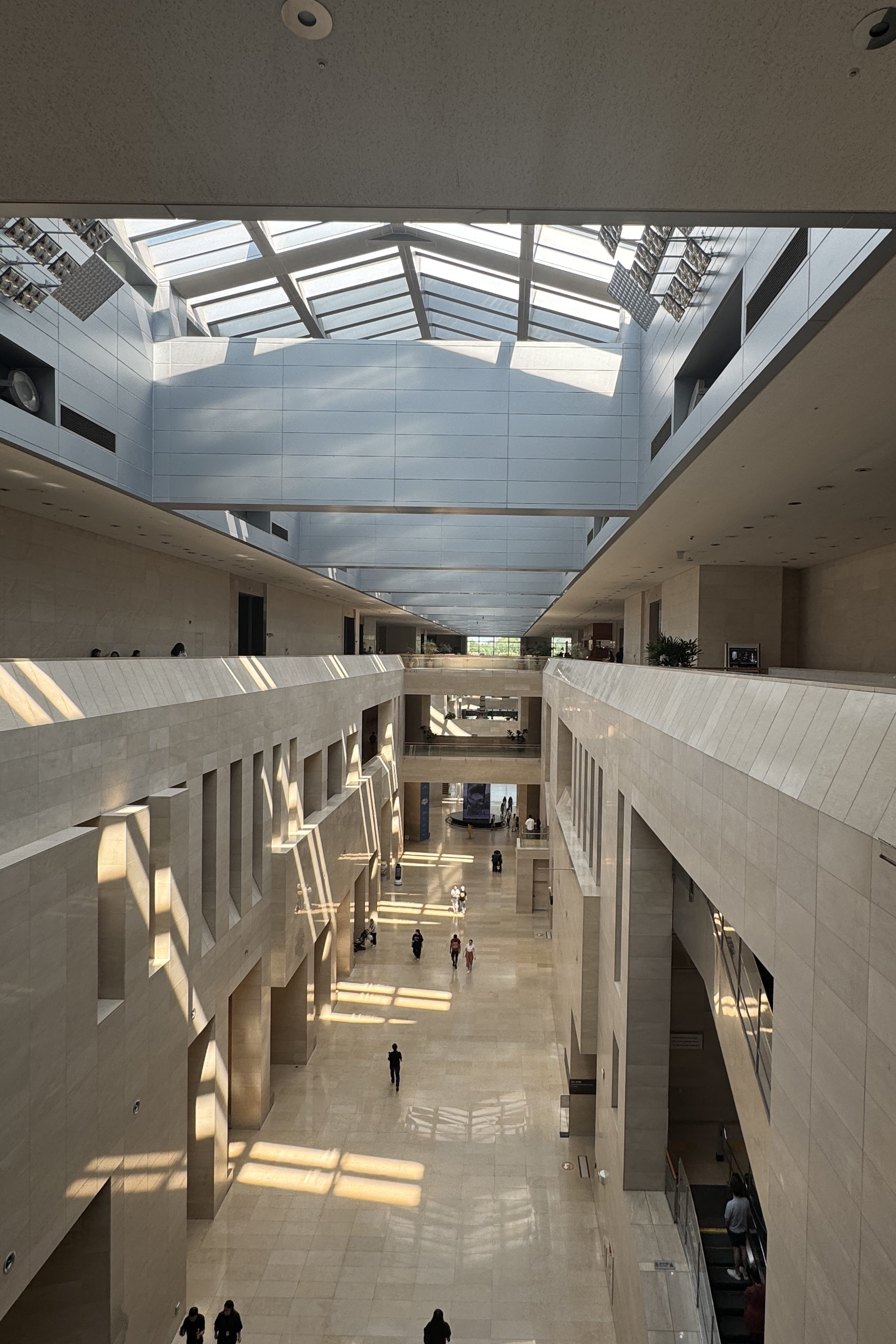
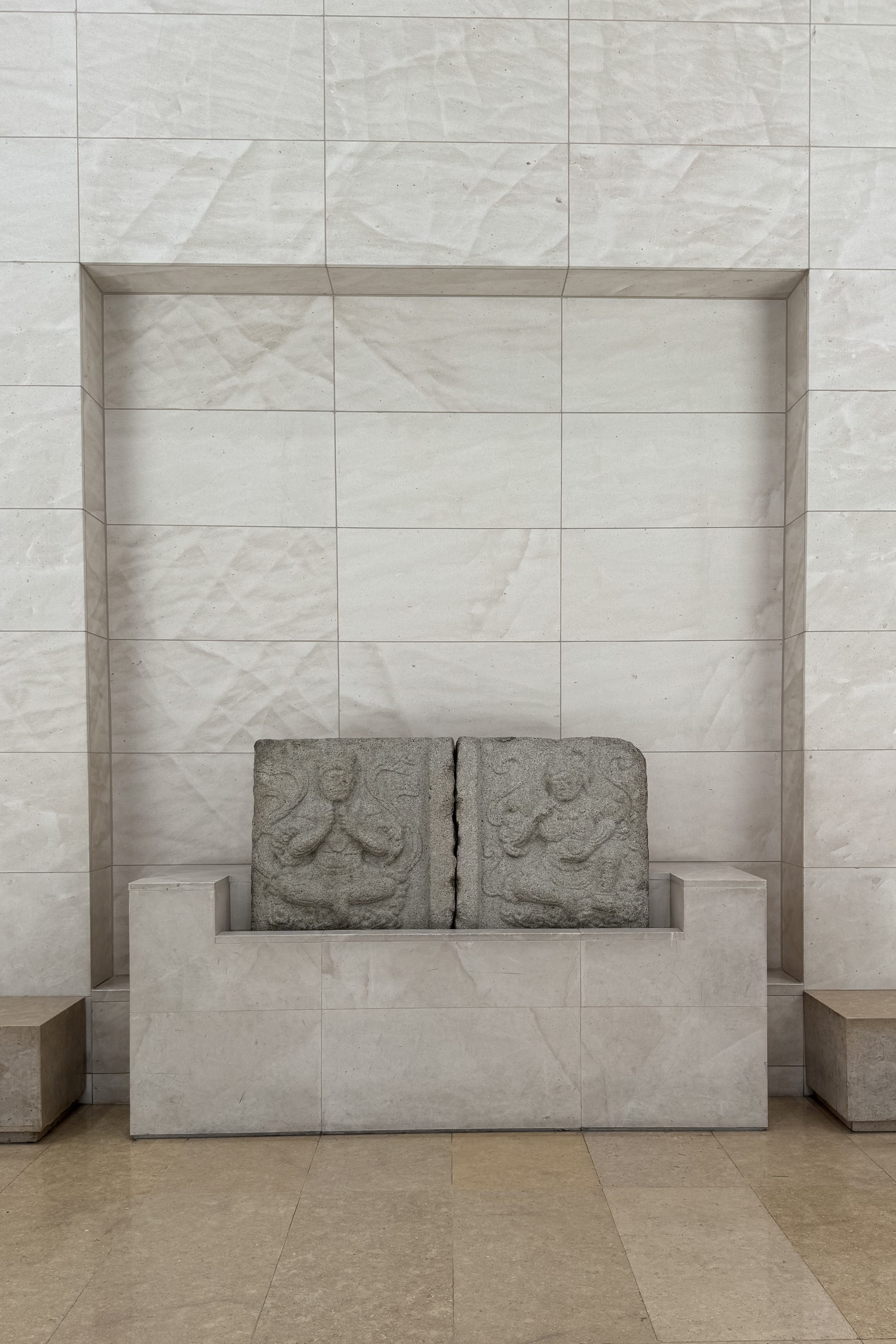
The museum itself is a place designed for quiet contemplation, where the legacy of 5,000 years can be savored at an unhurried pace. Its permanent exhibition, free of charge, is so extensive that a single day is not enough to take it all in. Standing at its heart is the massive Ten-story Stone Pagoda from Gyeongcheonsa Temple, awaiting the day it might return to its home in Kaesong. And along quiet hallways, near resting benches, the Eight Classes of Supernatural Beings from 9th-century Unified Silla seem to stand watch, bridging the ancient and the present in a deeply moving way.


 ArtlierJib's
Leave a comment