

Reflections from the Icheon Ceramics Festival
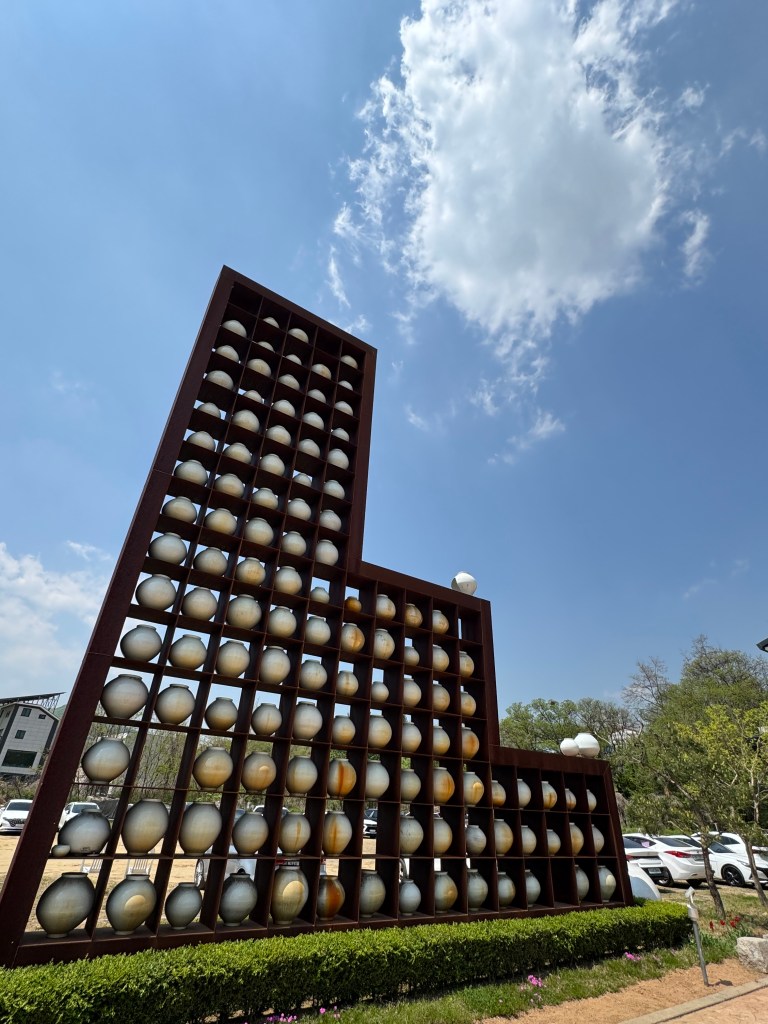
I asked myself this question once again as I walked through the Icheon Ceramics Festival—a vibrant scene of local craftsmanship, tradition, and contemporary reinterpretation.
When “Usefulness” Takes the Lead
As I’ve spent more time exploring the craft market, I’ve often found myself confused. The word “usefulness” appears frequently—whether in the slogans at craft fairs or the language used by promotional bodies and publications.
If something is beautiful but useless, it is often deemed art.
If it is useful and beautiful, it becomes craft.
Painters and sculptors rarely consider function from the start. They express thoughts and feelings freely, and their identity as artists feels unshakable.
But craft artists are often introduced as artisans first—defined by their materials and techniques, and by the function their work is meant to serve.
Many craftspeople I’ve encountered teach workshops or take commissions for functional wares. And while I have long collected fine art out of pure love, the moment I began exploring the world of craft with the intent to collect and curate, I encountered a kind of disorientation.
Between Artist and Maker
Many wished to be called “artists,” yet few expressed a voice that felt truly their own.
Rather than seeing work that reflects a unique philosophy or vision, I often saw pieces shaped more by market demands.
In the Icheon Ceramics Village, this reality is clearly visible.
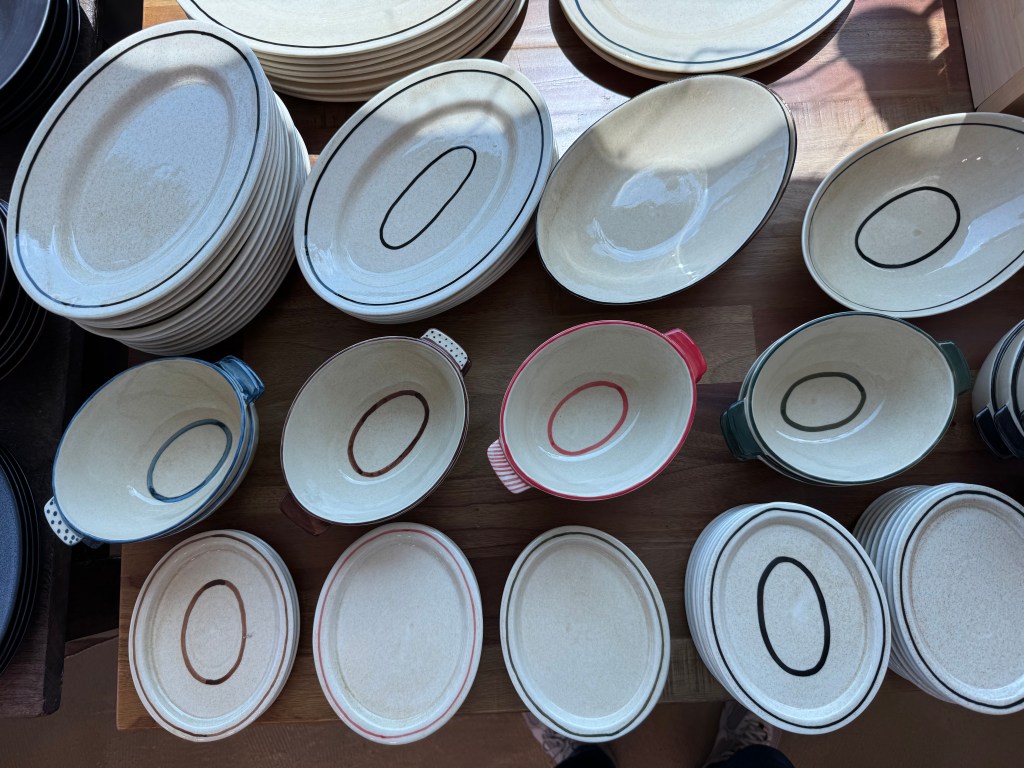
Most studios offer practical pottery—dishes, cups, or bowls with minimal design. They’re pleasant and functional, but not unforgettable. In fact, they often resemble more affordable options found at IKEA or Amazon.
Every studio has its own style, but instead of drawing me into quiet admiration, I found myself thinking:
“Would I use this often?” “Does it feel practical?”
Not: “Is this art?”
A Buyer’s Dilemma
At the festival, I intentionally visited popular workshops—those that seemed to be trending.
But the more I saw, the more it felt like I was browsing a design-focused shopping mall. Stylish, yes. But lacking in soul.
I thought I’d purchase a small mug or lidded jar. But in the end, I didn’t.
And from a consumer’s point of view, here’s why:
- Function alone isn’t compelling. There are too many alternatives that are simpler and more affordable.
- The price felt high—without delivering anything truly irreplaceable.
- They weren’t special enough to justify the cost.
Curating with Intention at ArtlierJib
This experience led me to reflect deeply on the works I feature on ArtlierJib.
I’ve made a conscious decision:
We don’t include everyday dishware unless it carries something beyond utility.
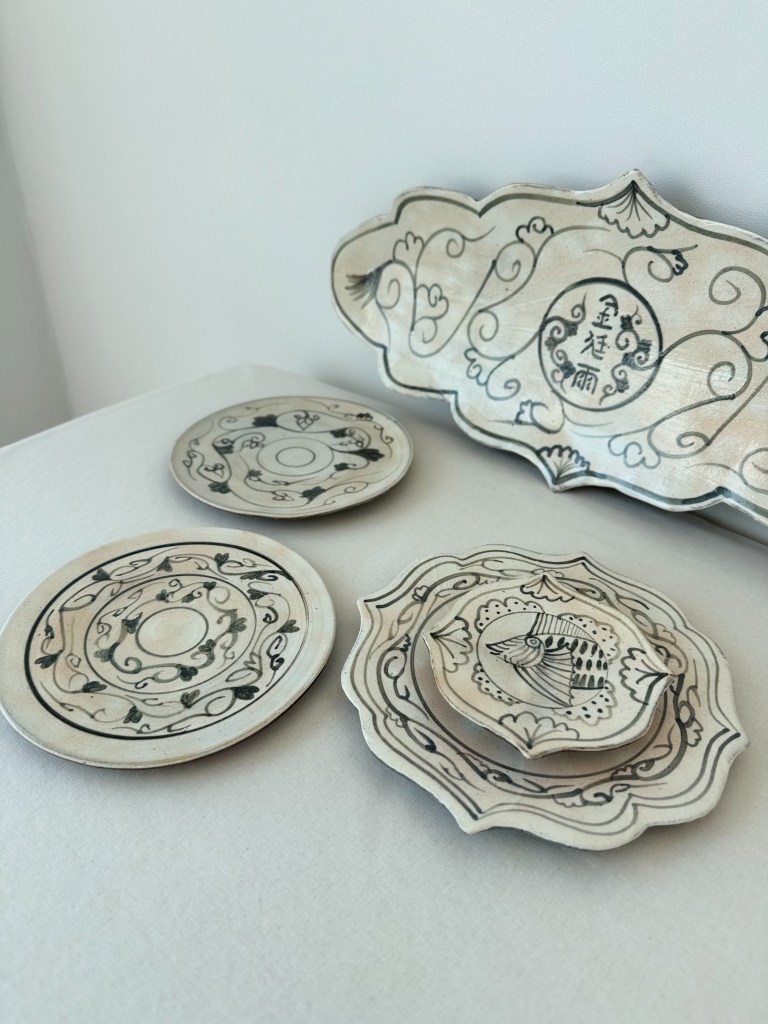
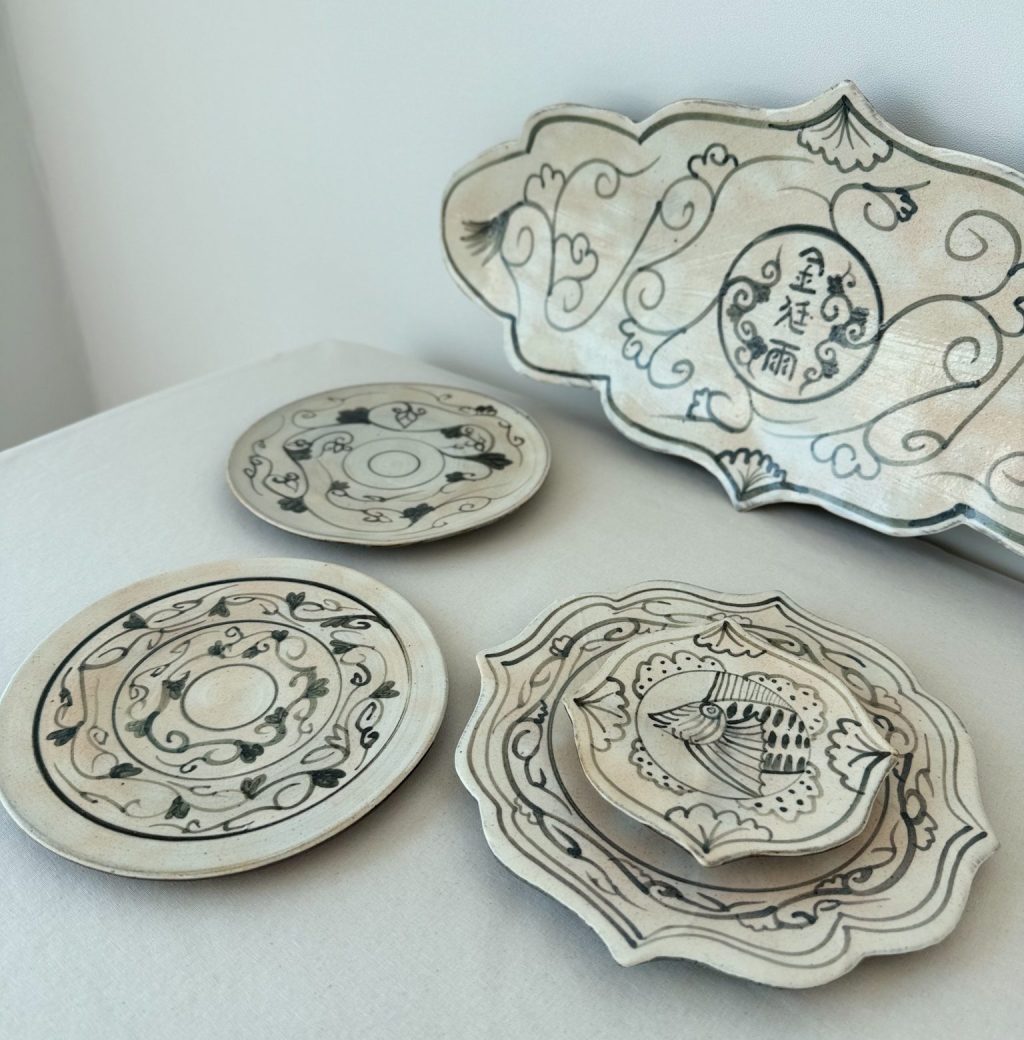
Instead, I search for pieces that resonate with individuality, artistic spirit, and presence.
Objects that may have a purpose, yes—but where beauty comes first.
Works that were perhaps made for use, but reveal their value not in function, but in form and feeling.
And guided by my personal values, I favor materials born from the earth—clay, water, light, air, and plants—rather than animal skin or fur. Objects made in rhythm with nature. Objects that breathe.
What We Choose to Show the World
This, in essence, is the curatorial philosophy that shapes ArtlierJib.
We celebrate not just the handmade, but the meaningfully made.
Not just what is “useful,” but what invites pause—what stays with you.
And in a world where usefulness is abundant, it’s the quietly beautiful, the honestly expressive, and the enduringly crafted that truly matter.
 ArtlierJib's
Leave a comment