

When people think of Korean ceramics, many picture the serene white elegance of a Moon Jar or the translucent grace of celadon. But if we were to choose the ceramic style that is most uniquely Korean, it would be Buncheong ware.
While white porcelain (백자) and celadon (청자) were made in both China and Japan, Buncheong is a ceramic tradition that developed independently and thrived almost exclusively in Korea. It blossomed during the early Joseon Dynasty with bold experimentation, free-form brushwork, and a raw, earthy character that felt radically different from the polished ceramics of the time.
Some scholars even suggest that during the Joseon dynasty—when Japan repeatedly invaded Korea—one of their motives may have been to seize Korea’s highly advanced ceramic technologies, especially those behind the wildly expressive and technically refined Buncheong ware. Buncheong wasn’t just functional or beautiful—it was a cultural asset worthy of envy.
What is Buncheong?
Buncheong (분청사기) refers to stoneware coated with white slip, often decorated with stamping, brushing, carving, or iron painting before being glazed and fired. It represents a bold shift in Korean ceramic history—from the aristocratic elegance of Goryeo celadon to something more grounded, energetic, and human.
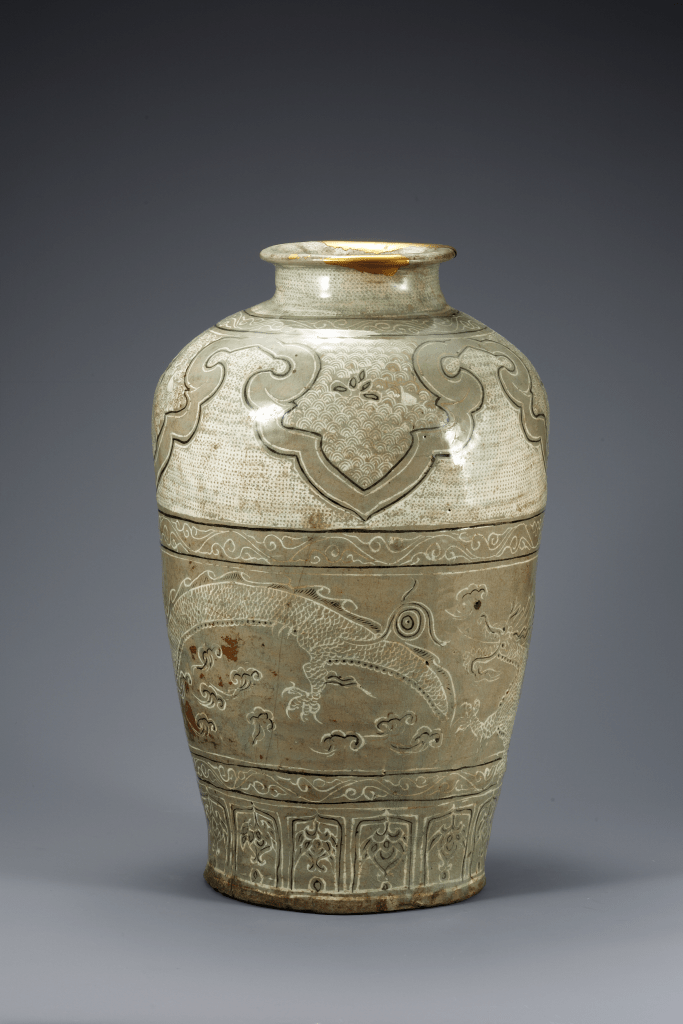
Why Buncheong Is Uniquely Korean
Unlike the porcelain or celadon traditions which followed aesthetic codes imported from China, Buncheong is distinctly Korean in temperament—casual, unfiltered, and full of soul. It mirrors the Korean spirit: modest yet bold, tranquil yet bursting with life.
Where celadon whispers, Buncheong laughs.
Where porcelain pauses, Buncheong dances.
The Allure of Buncheong: Witty, Wild, and Wonderfully Human
What makes Buncheong so beloved?
1. Freedom of Expression
Whereas white porcelain seeks symmetry and calm, Buncheong celebrates the unpredictable and handmade. Artists brushed, stamped, incised, or even splattered white slip onto the clay body in a way that feels almost modern in its boldness.
No two pieces are alike. And that’s the point.
2. Playful Imperfections
Buncheong isn’t about perfection—it’s about character. A quick swipe of the brush, a quirky stamped pattern, a drip of glaze running down the side… these are not flaws, but the fingerprints of the artist, full of life and personality.
3. Energy in Stillness
Though made centuries ago, Buncheong feels astonishingly contemporary. It captures a sense of movement, energy, and rhythm. A Buncheong vase or tea bowl can appear at once peaceful and energetic—a perfect reflection of Korea’s layered, dynamic cultural identity.
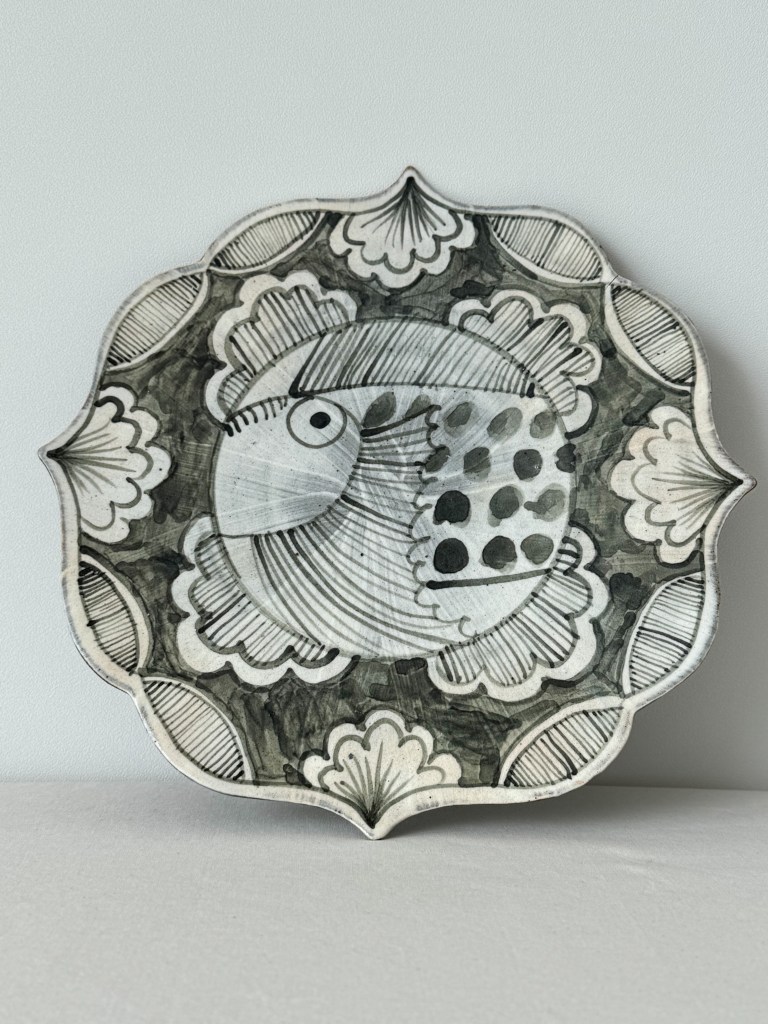
As you hold a Buncheong piece in your hands, you might feel this contrast: earthy stillness on the surface, and a quiet pulse beneath.
Types of Buncheong: A Canvas of Techniques
One of the most fascinating aspects of Buncheong ceramics is the wide range of decorative techniques used by artists. Each method gives the piece a distinct personality—sometimes bold, sometimes delicate, always expressive.
Here are some of the most representative types of Buncheong:
1. Inlaid Buncheong (상감 분청)
This method involves carving patterns into the clay surface, then filling the lines with white slip. After smoothing and glazing, the inlaid designs remain as elegant, contrasting motifs—often floral, geometric, or abstract.

2. Stamped Buncheong (인화 분청)
Artists use wooden or clay stamps to press repeating patterns into the surface, often before applying a translucent glaze. The result is playful and rhythmic, with a tactile, almost textile-like texture.
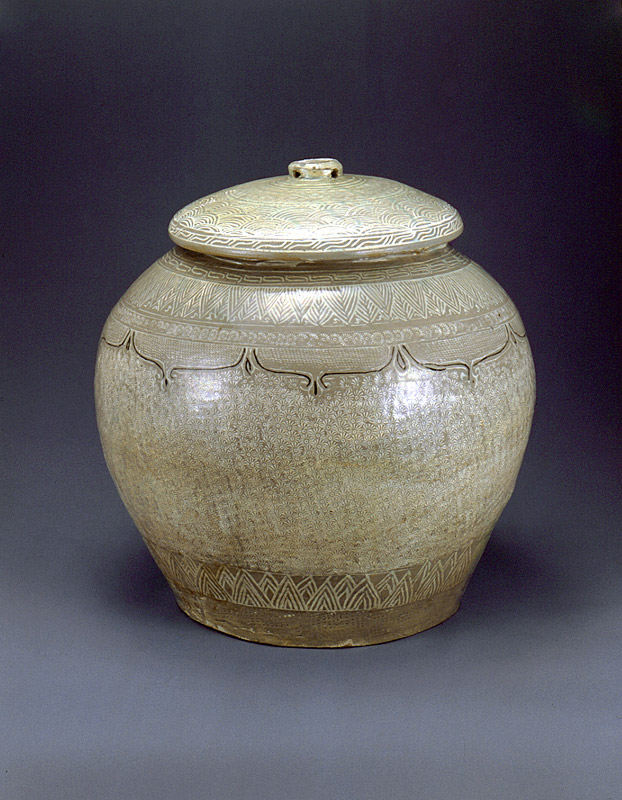
3. Slipped and Sgraffito (조화 분청)
This style involves layering slip over the clay and then scratching designs into the surface to reveal the darker clay underneath—a method similar to drawing with a stylus. It allows for high levels of detail and personal expression.

4. Iron-Painted Buncheong (철화 분청)
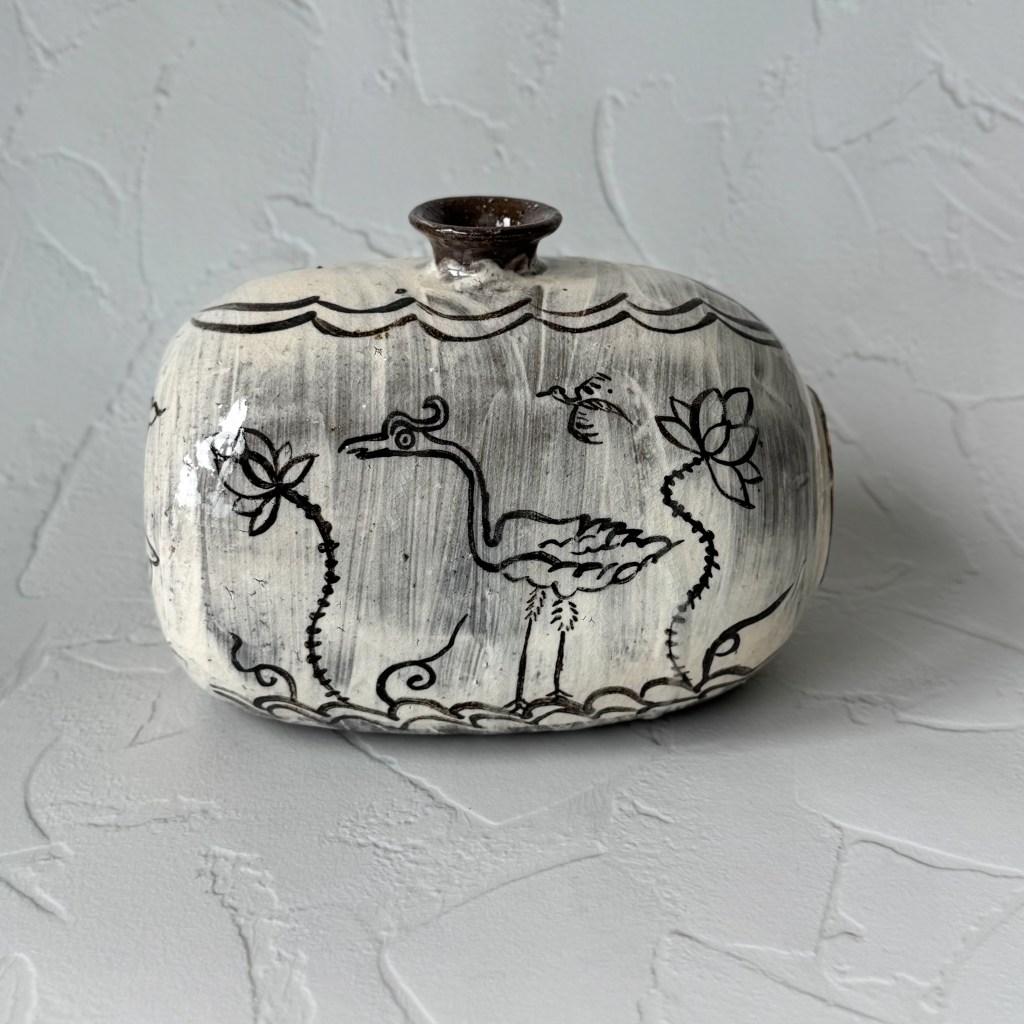
In this technique, artists use iron oxide to paint expressive designs over the white slip surface. The iron turns a deep brown or black after firing, creating strong contrasts. This is the technique favored by artist Jungwoo Kim, whose brushwork is full of energy, wit, and boldness.

5. Pressed Slip Buncheong (박지 분청)
This technique involves covering the surface with white slip and carving or pressing away parts of the slip to reveal patterns and textures. The result is often very tactile and visual, as if the piece has been eroded by time or naturally worn. It feels both ancient and experimental—like nature left its mark.

6. Brushed Straw-Slip Buncheong (귀얄 분청)
This distinctly Korean technique uses a straw brush (귀얄) to apply slip in vigorous, sweeping strokes. The result is raw, spontaneous, and full of texture—sometimes evoking wind, waves, or mountain ridges. It’s one of the most visceral and physical expressions of Buncheong’s spirit.
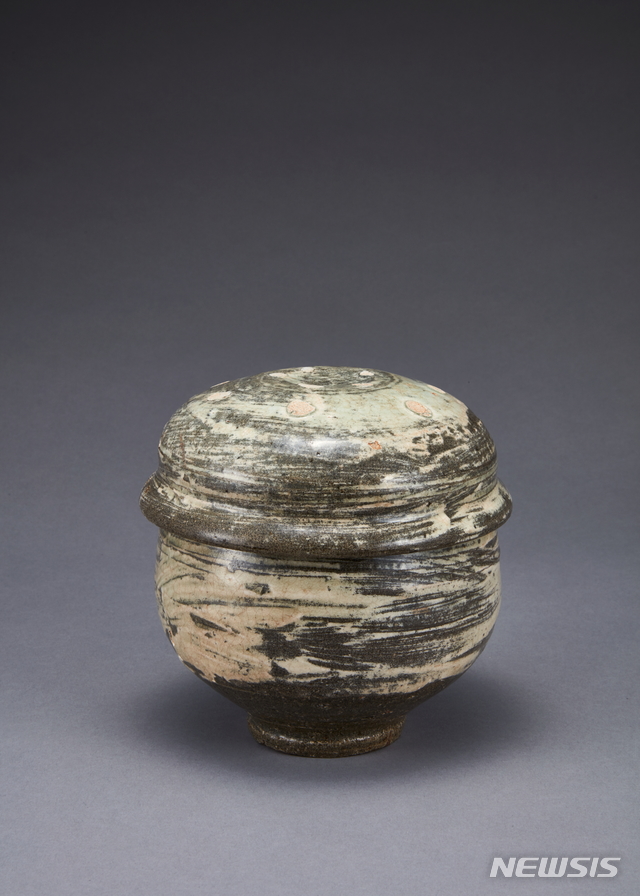
These techniques are often mixed and adapted freely—true to Buncheong’s spirit of creative experimentation. Even within the same category, no two works are alike.
Jungwoo Kim’s Buncheong: Bold, Earthy, and Endlessly Evolving
At ArtlierJib, we are honored to introduce the work of artist Jungwoo Kim, who brings a powerful and witty sensibility to the tradition of Buncheong ceramics.
Working in his studio near Gyeryongsan Mountain, Kim explores the true spirit of Buncheong by experimenting with diverse clays native to the area. Through persistent, almost obsessive trials, he combines different types of earth to create pieces that not only reflect texture and variation, but also feel deeply rooted in nature.
His signature style features iron-painted (철화) motifs—often playful, sometimes abstract—that interact dynamically with the underlying clay body. These motifs aren’t just decoration; they’re a dialogue between surface and substance, tradition and interpretation.
What makes his work especially fascinating is its seasonal variation. Each firing, each batch, brings a new combination of materials and visual character. As the clay blends and glaze responses shift, no two pieces are ever alike. Every series is an evolution, offering fresh energy while staying grounded in Korean ceramic heritage.
Jungwoo Kim’s iron-painted Buncheong isn’t just beautiful—it’s alive. It pulses with movement, warmth, and intention, embodying the playful freedom and earthy strength that defines Buncheong ware at its finest.

Buncheong at ArtlierJib
At ArtlierJib, we are drawn to Buncheong for all these reasons—and more. Whether it’s a tea bowl with an expressive brushstroke, or a vase alive with stamped motifs, each piece brings warmth and presence to a space.
We believe Buncheong doesn’t just decorate—it communicates. It brings the energy of the artist’s hand into your home, and invites you into a deeper appreciation of everyday beauty.
 ArtlierJib's
Leave a comment