

Few objects in Korean ceramic art evoke as much wonder and serenity as the Moon Jar. With its milky-white glaze, gentle curves, and humble yet commanding presence, this iconic vessel has become a symbol of Korean aesthetics and spirit. At ArtlierJib, we’re proud to feature handcrafted pieces inspired by this timeless form. But what makes the Moon Jar so famous? And why does it appear in so many variations?
Let’s explore the story behind the Moon Jar—its beauty, its symbolism, and why collectors and art lovers across the world are drawn to its quiet elegance.
What is a Moon Jar?
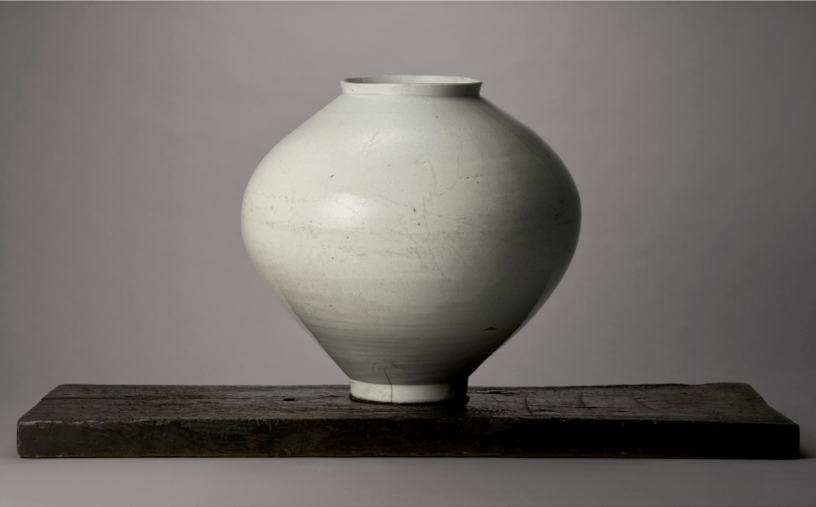
The Moon Jar (달항아리) is a large, round porcelain jar traditionally made in Korea during the late Joseon Dynasty (17th–18th century). Its name comes from its shape and color—resembling the full moon with its round body and soft white glaze. These jars were originally used for storing food, wine, or other goods, but over time, they became revered as works of art in their own right.
The Beauty of Asymmetry: Imperfection as the Soul of the Moon Jar
One of the most captivating aspects of the Moon Jar is its asymmetry—a quiet irregularity that speaks volumes.
Because of its large size, the Moon Jar is crafted by joining two separate hemispherical halves, made on a potter’s wheel and then carefully combined. This process often results in subtle imbalances: an off-center curve, an uneven line, or a slightly leaning profile. Achieving perfect symmetry with this method is nearly impossible.
Yet it is this very lack of perfection that gives the Moon Jar its unique soul. The form feels more human, more natural—resonating with the Korean aesthetic sensibility that embraces imperfection and quiet modesty. The result is not a cold, machine-like object, but something that breathes, something alive.
This soft asymmetry reminds us that true beauty often lies in what is imperfect, incomplete, and unrepeatable.
The Inexpressible White of the Real Moon Jar
No matter how refined the photograph, the true white of an authentic Korean Moon Jar—the soft, milky glaze of white porcelain—cannot be fully captured. When seen in person, the color isn’t just white. It’s layered with warmth, calmness, and time. Depending on the light, it shifts gently—sometimes cool and serene, other times glowing softly like moonlight.
This quiet, living white is what gives the Moon Jar its depth.
It’s not loud, not showy—but when you stand before it, you feel held, as if the jar itself contains the sky, the moon, and a sense of stillness that words can’t quite reach.
Why is the Moon Jar So Famous?
1. Imperfection as Beauty
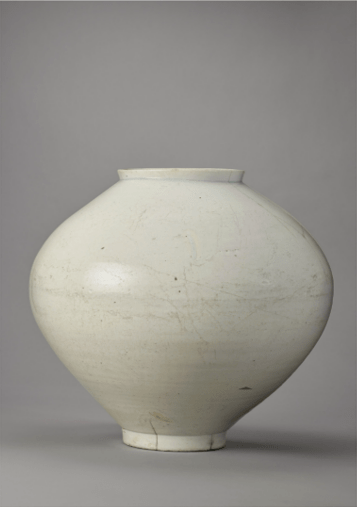
As we’ve seen, the Moon Jar’s imperfect balance is part of its charm. The slight asymmetry isn’t seen as a flaw, but as a mark of authenticity and natural beauty.
2. Minimalist Aesthetic
With no elaborate decoration, the Moon Jar speaks through form, texture, and glaze. Its quiet presence and minimalist beauty have influenced contemporary artists and designers worldwide. Even modern art figures like Bernard Leach and Lucie Rie admired the Moon Jar for its pure and organic form.
3. Cultural Symbolism
The Moon Jar is often viewed as a symbol of integrity and modesty, reflecting traditional Confucian values. In modern times, it has come to represent Korea’s cultural identity—a vessel that holds not just form but meaning.
Why is the Moon Jar So Varied?
Although the traditional Moon Jar followed a general form—white, round, and large—today’s Moon Jars are wonderfully diverse. Here’s why:
1. Artist Interpretation
Contemporary Korean ceramic artists reinterpret the Moon Jar with their own vision. Some add subtle color gradations, others explore new proportions, textures, or glazes. These reinterpretations keep the Moon Jar relevant and fresh, while still rooted in tradition.

2. Material Experimentation
While traditional Moon Jars were made from white porcelain, modern artists experiment with stoneware, celadon glazes, matte finishes, and even metallic infusions, giving the form new dimensions and emotional resonance.
3. Functional Adaptations
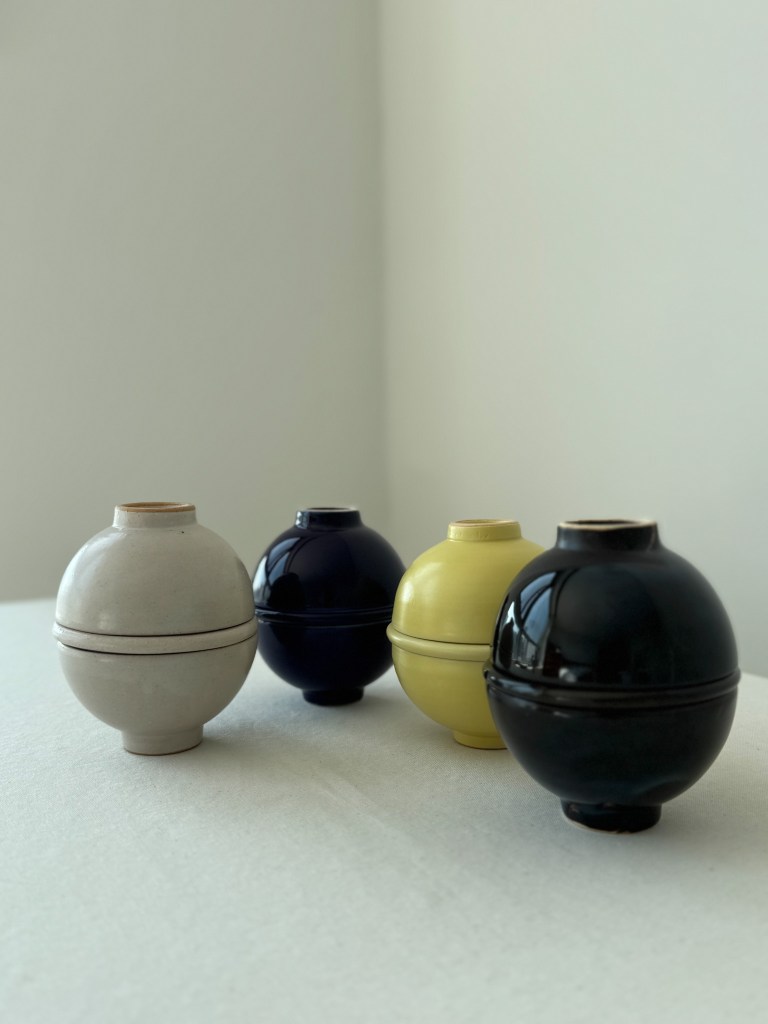
Moon Jars today are not just large display pieces. Artists craft small Moon Jar teacups, vases, and incense holders—making the Moon Jar a part of everyday life.
At ArtlierJib, we’re especially excited to introduce a charming Moon Jar teacup set by 도도공방 (Dodo Workshop)—a small studio we recently discovered. Each piece from Dodo Workshop is filled with warmth, style, and the soul of its maker. Their modern interpretation of the Moon Jar translates the form into a soft, intimate experience for tea lovers and design collectors alike.
A Personal Reflection on the Moon Jar
At first, the Moon Jar may seem plain—its form simple, its surface quiet. It doesn’t draw you in with vivid color or intricate detail. But as time passes and your gaze lingers, something changes. The Moon Jar begins to feel expansive, as if it holds space for everything—emptiness and fullness, stillness and movement, tradition and modern life.
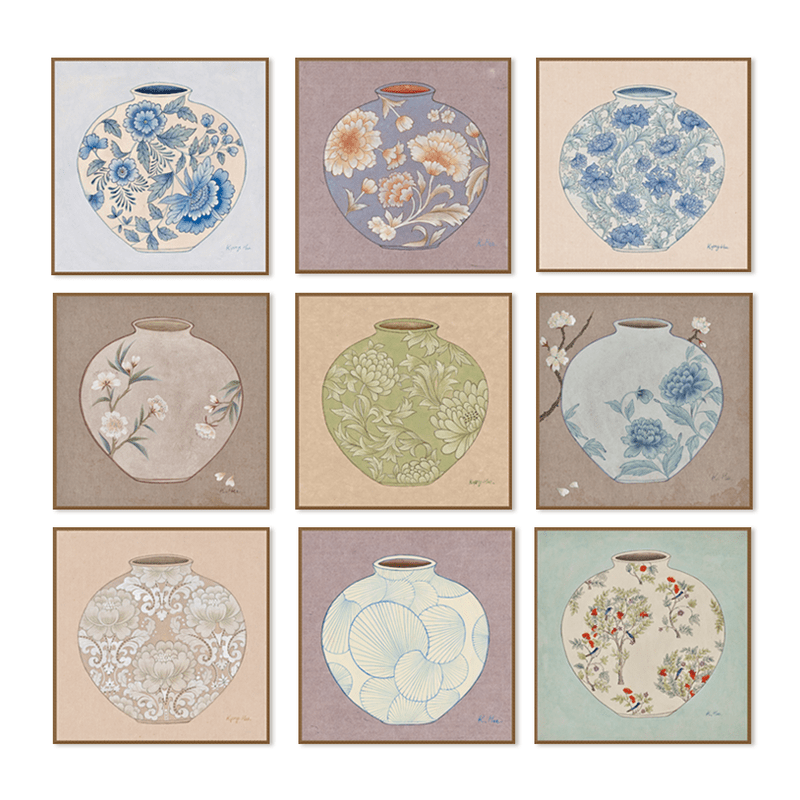
It doesn’t try to impress—but in that quietness, you might begin to see yourself reflected.
This is the kind of beauty that stays with you.
The Moon Jar at ArtlierJib
Each Moon Jar-inspired piece in our collection is handpicked to reflect timeless elegance, calm beauty, and deep craftsmanship. Whether it’s a miniature teacup or a modern sculptural piece, the Moon Jar’s influence can be felt in the roundness, balance, and soulful energy of each item.
Explore our curated selection and bring a piece of Korean tranquility into your space.
 ArtlierJib's
Leave a comment