

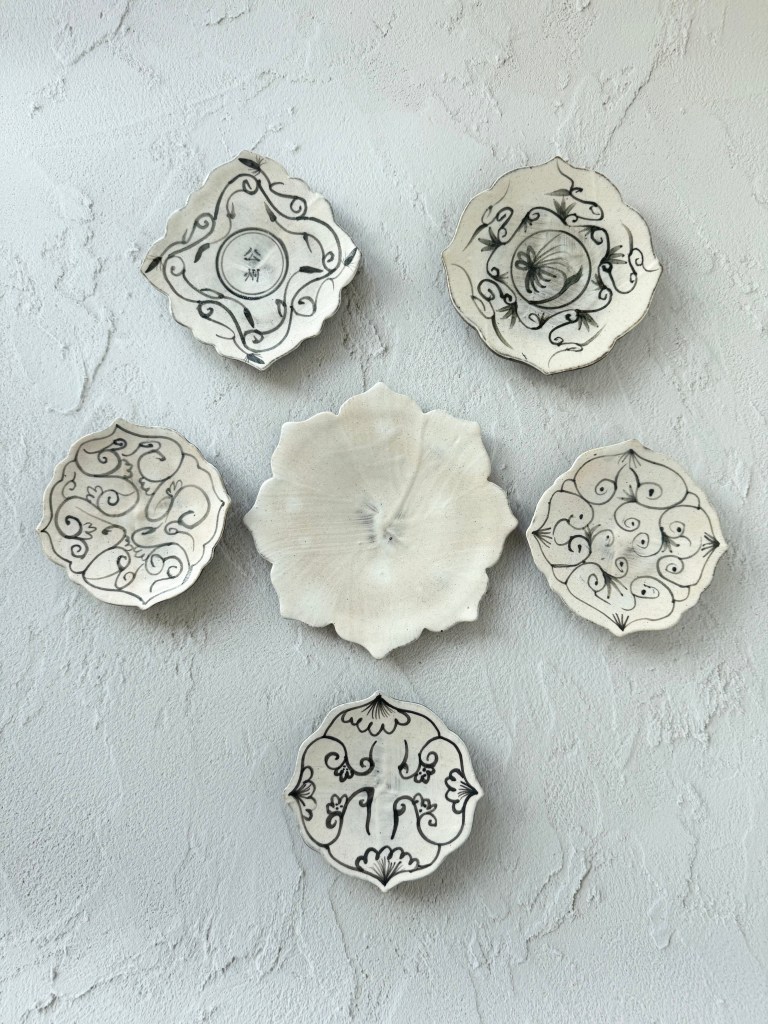
There’s something that keeps drawing my eyes to it. Is this what people call personal taste? One day, I was suddenly captivated by a photograph that caught my attention out of nowhere.
Until then, my understanding of Korean ceramics was limited to the Goryeo celadon and the graceful white porcelain Moon Jar, both of which I had learned about in history class as national treasures. But discovering that ceramics could take on such free and diverse forms, adorned with intricate patterns, was truly eye-opening.
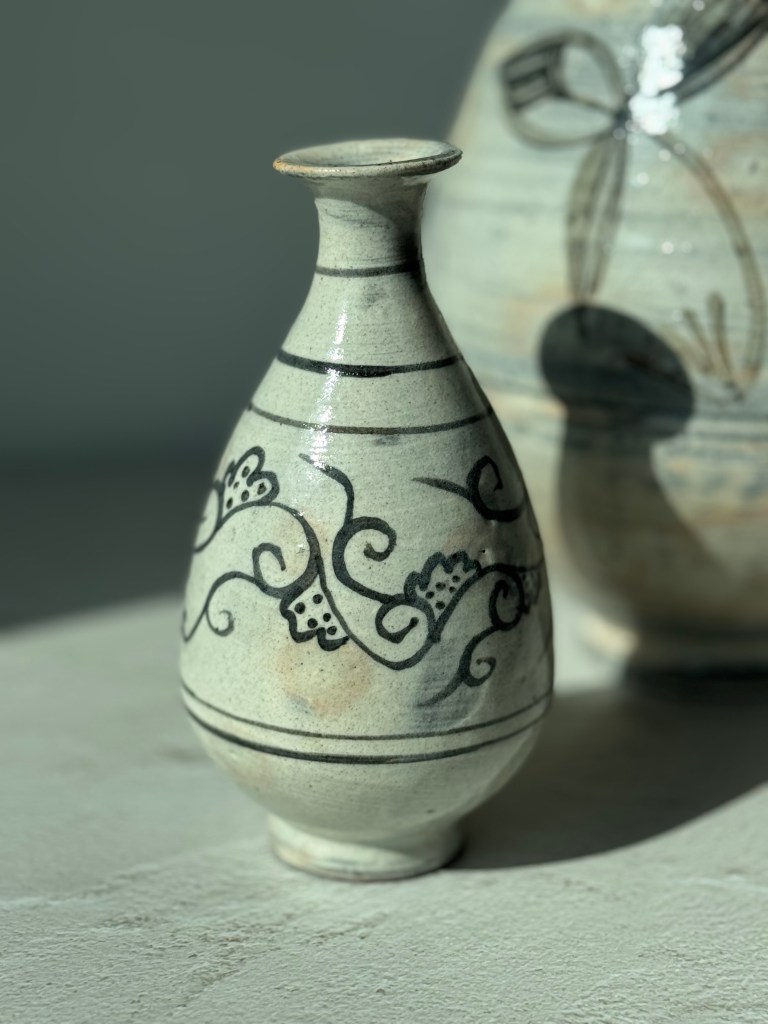
I learned that Buncheong ware emerged as an attempt to imitate the prized white porcelain, once reserved for the aristocracy, by layering white slip over gray clay. In my personal view, the true charm of this technique—flourishing from the late 14th century in the Goryeo period to the early 15th century in the Joseon dynasty—lies in its ability to produce a variety of textures and hues, depending on the type of clay used. Almost like a painting…

The works of Artist Woo are pieces that recreate traditional Buncheong ware. When observing the fish, flowers, and birds from that era, their simple yet bold expressions don’t feel outdated—instead, they have an exotic charm.
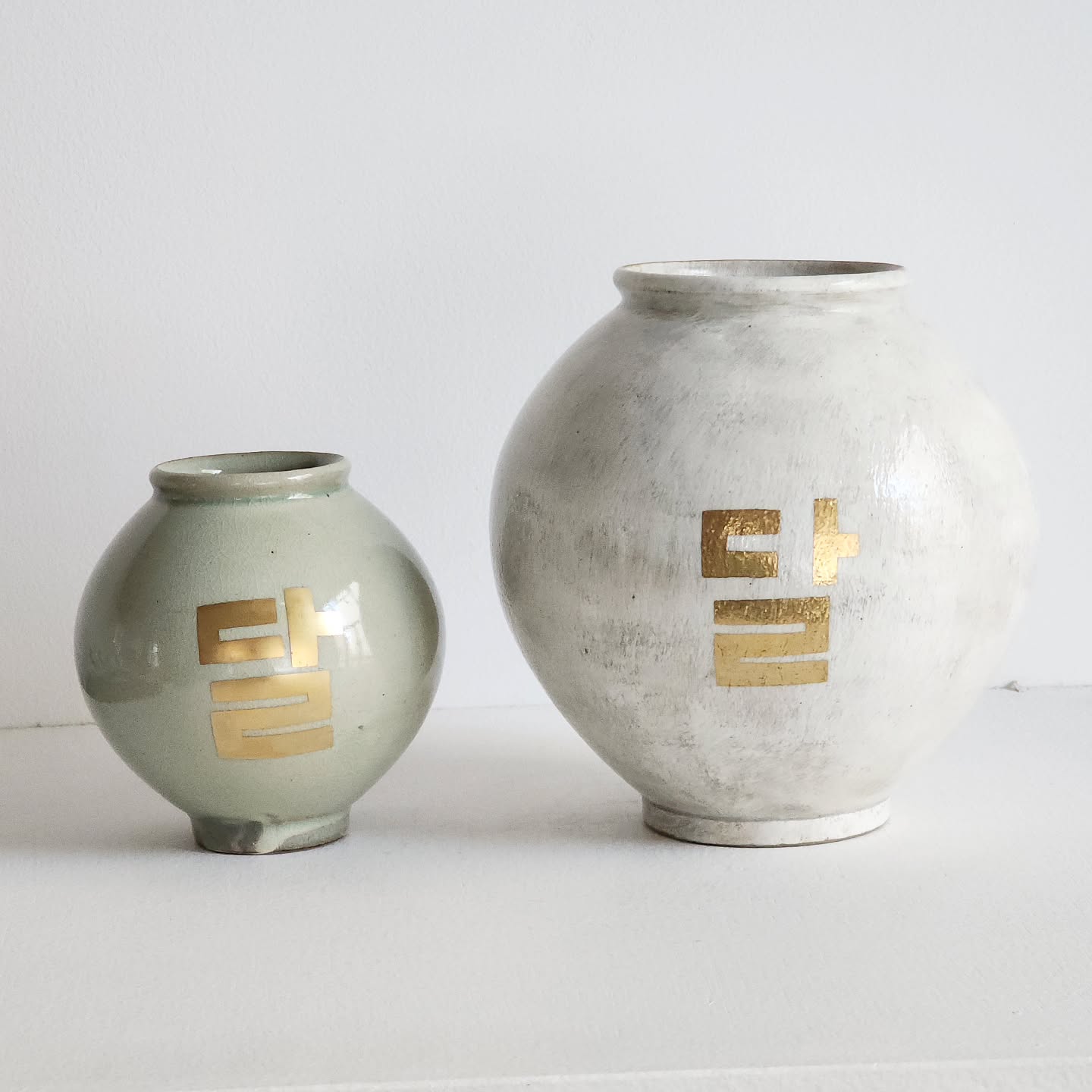
However, modern Buncheong ware is as vibrant as Pop Art. The use of fresh, non-traditional colors and the subtle hues that change depending on the angle add a stylish, contemporary touch.
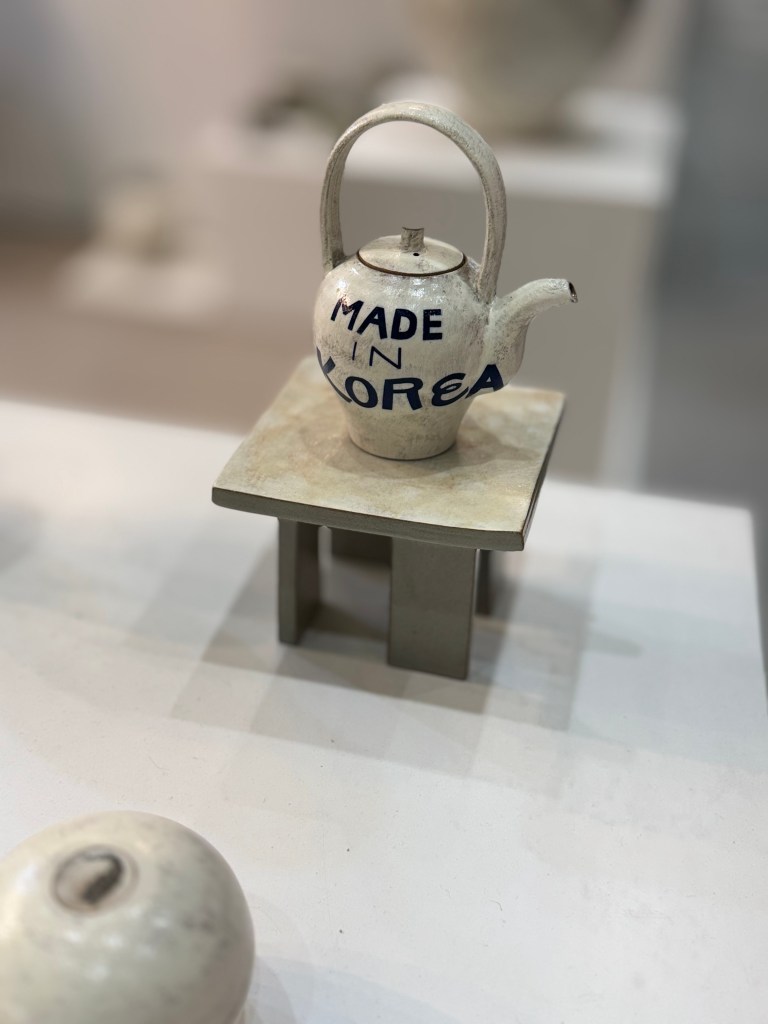
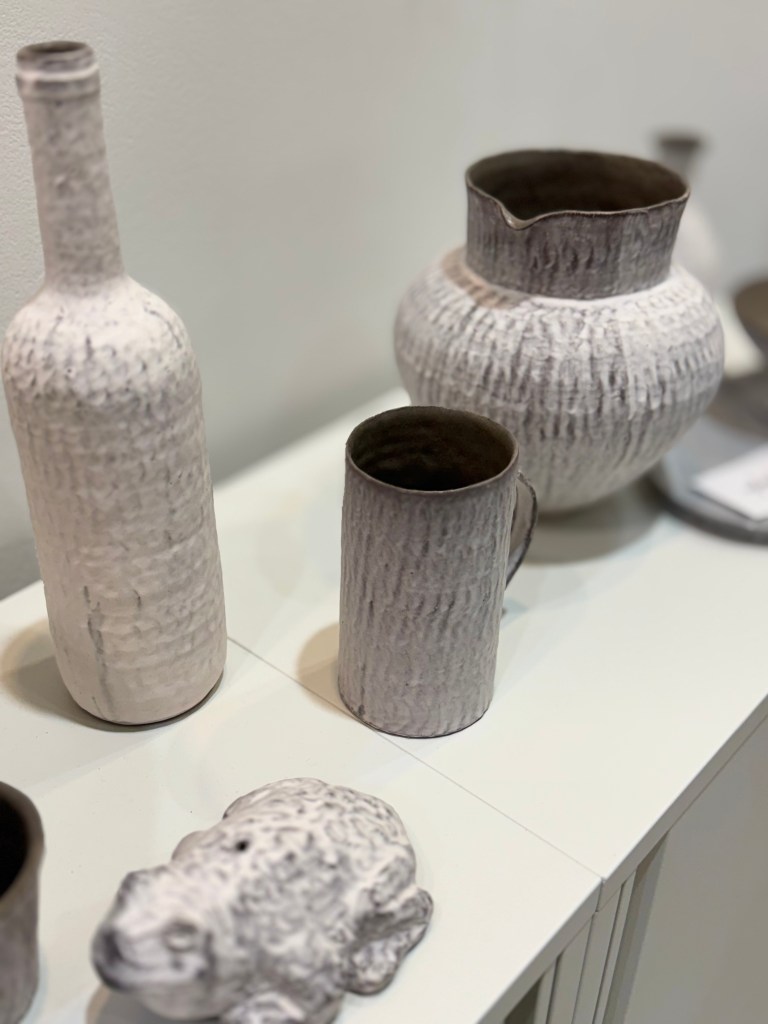

The allure of Buncheong ware is very much ongoing.
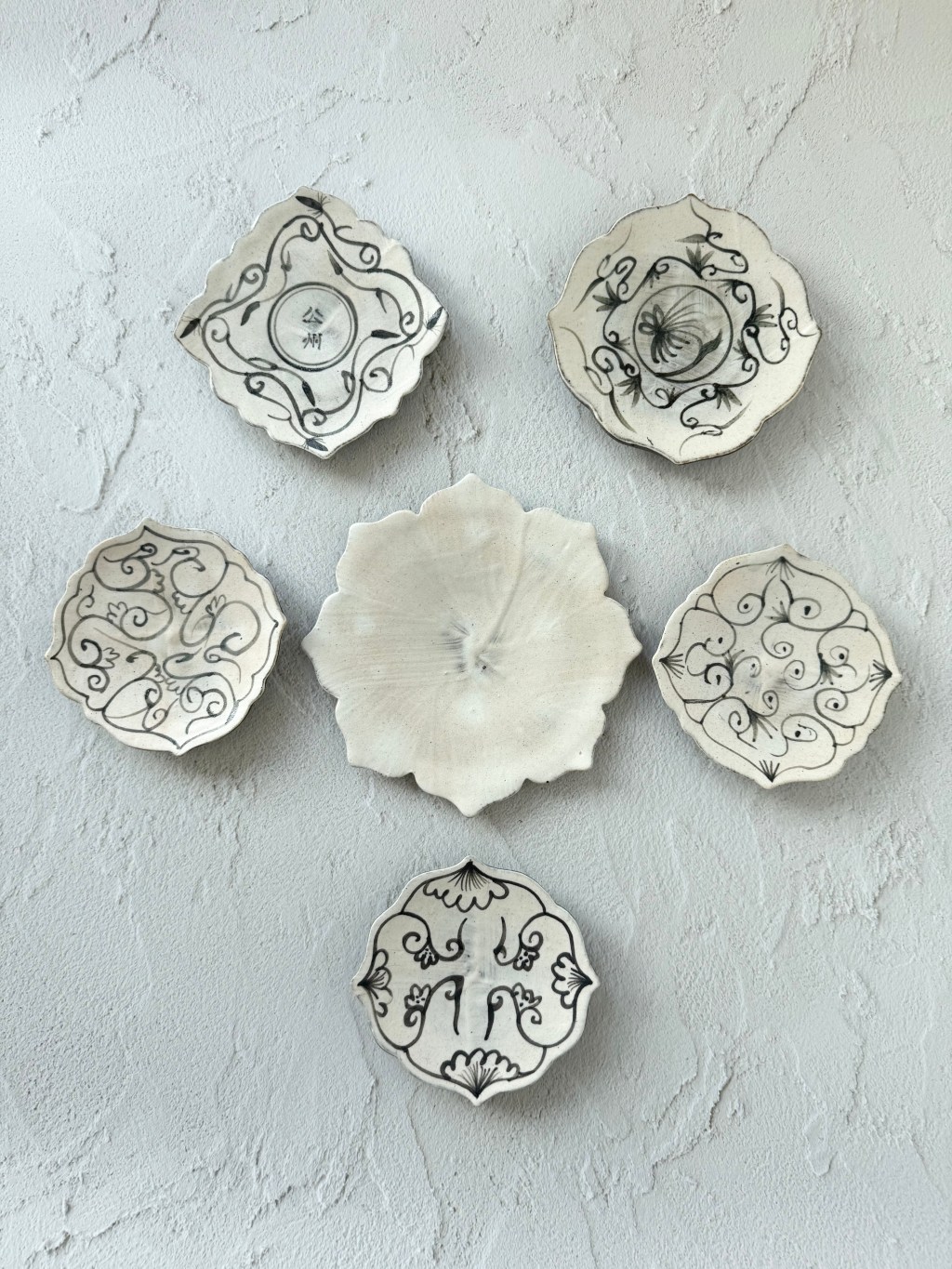
 ArtlierJib's
Leave a comment