

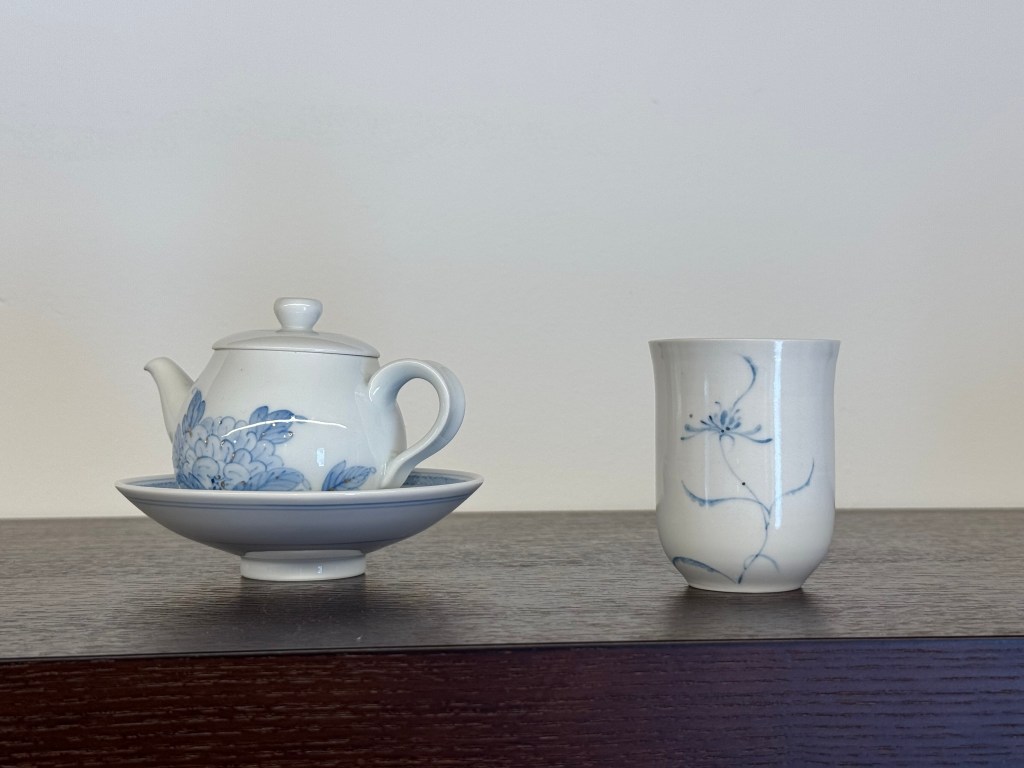
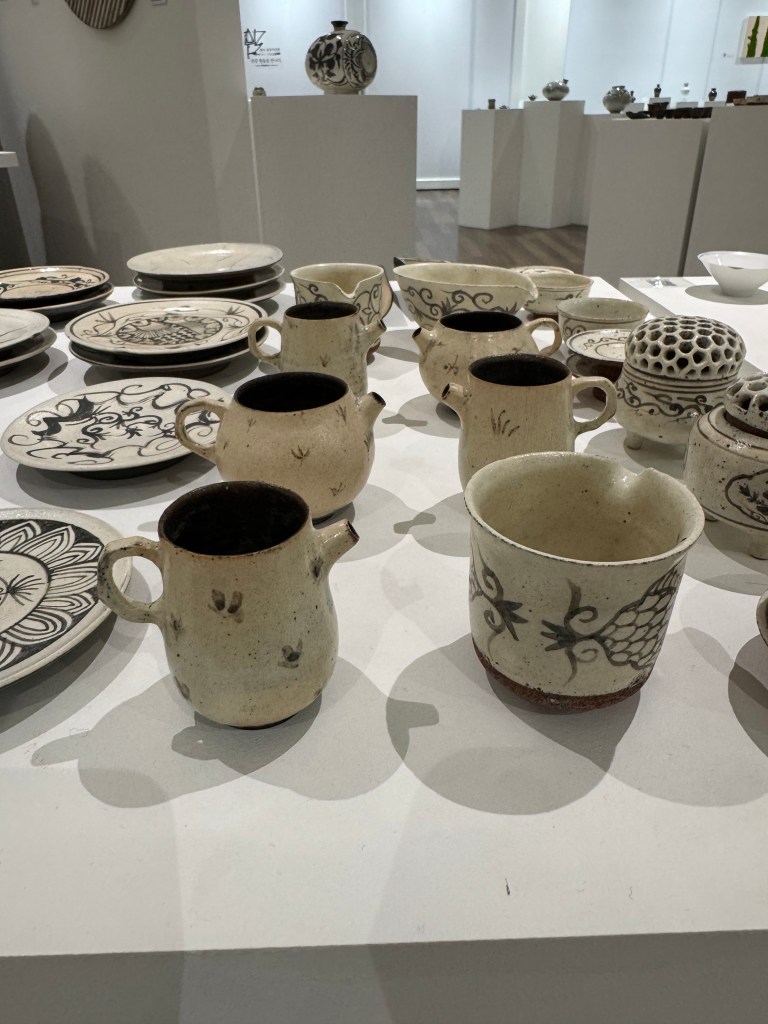
I recently stumbled upon a tea ware exhibition by chance. The space was filled with small, delicate teaware pieces, each exuding its own unique charm. There were buncheong ceramics, white porcelain, and even traditional ongis, all showcasing the endless creativity of artisans through different crafting techniques. Many of the tea sets were designed for single-person use—compact, lightweight, and easy to handle.
Curious about this trend, I asked why. Apparently, young people today have developed a growing love for tea. In Korea, where coffee shops are on every corner and coffee consumption is second nature, have we finally reached a point of coffee fatigue? Or perhaps, just as meditation has gained widespread popularity, the desire for moments of solitude and healing is becoming more prevalent. Maybe, deep down, there’s also a subtle longing to be seen as “a little different.”
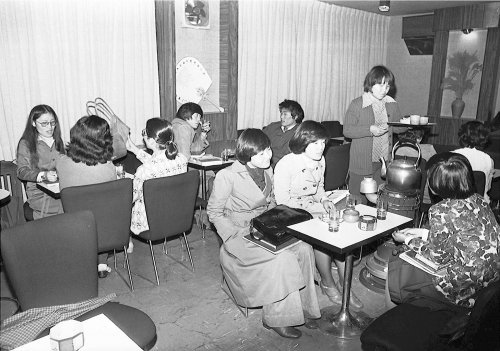
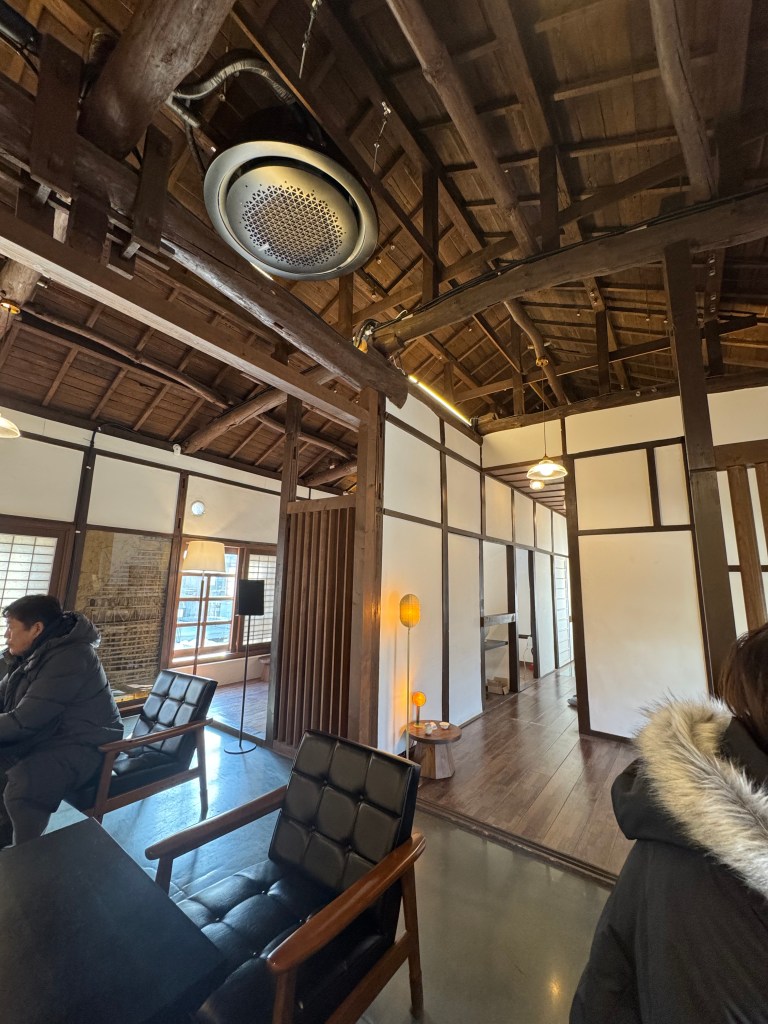
Modern tea houses are nothing like the lively dabang (다방) of our parents’ generation. Dabang, which literally means “tea room,” were popular social hubs in Korea from the mid-20th century. These establishments served tea and coffee, often in an old-fashioned, slightly boisterous atmosphere. They were places where people gathered for conversations, business meetings, or simply to pass the time. In contrast, today’s tea houses offer a much more serene, refined ambiance, often featuring minimalist interiors and private spaces that encourage quiet contemplation.
And the more one explores tea, the more it reveals itself as a vast and intricate world—almost like wine, with endless varieties and nuanced flavors waiting to be discovered.
I know almost nothing about tea, but whenever I meet young artisans in their 20s and 30s, I am always served a cup. They accompany it with detailed explanations—about the tea itself, about the teaware—creating a ritual that feels both thoughtful and intentional. It turns out that the demand for handcrafted teaware is also growing in the tea market.
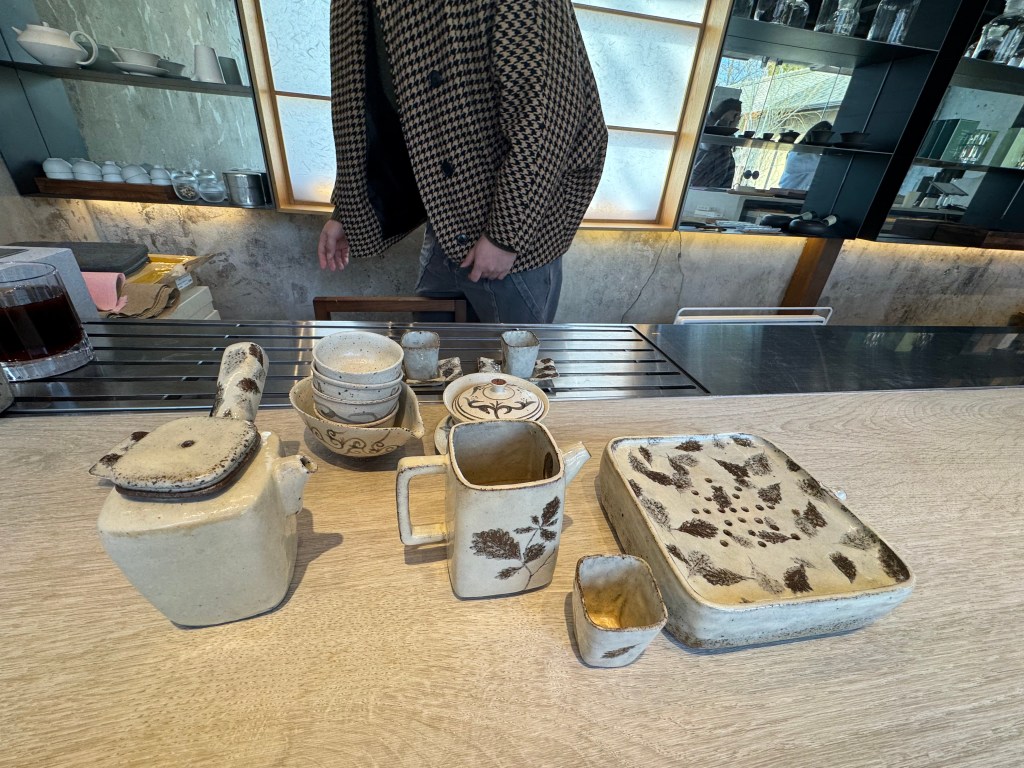
Han Hyuk, the CEO of Chaum & Co., who organized the tea ware exhibition, shared an interesting perspective:
“Tea isn’t something complicated. It’s not about meticulously heating water or pre-warming teacups. It’s simply about enjoying the taste, quietly and in your own way. There’s no such thing as expensive or cheap tea—there’s only the tea that suits your palate.”
He even keeps a single teapot and a few beautiful teacups in his study, rotating them depending on his mood. Inspired by this, I decided to try brewing some loose-leaf tea at home using a teapot by artist Kim Jung-woo and teacups by artist Jung Yuna, both of which I picked up from the exhibition. Surprisingly, it was quite enjoyable. Having been so accustomed to Nespresso coffee, I never imagined I’d appreciate the depth of tea. I always thought loose-leaf tea was cumbersome, but using a dedicated teapot made it incredibly convenient—and the flavors were extracted beautifully.
Even GD (G-Dragon) is said to drink tea during his breaks. Maybe it’s time for me to hop on this trend too?
 ArtlierJib's
Leave a comment